
A Concise Resume
A Concise Resume — qlcs9.com
Raised on a farming property, learnt how to work the land, studied and worked in multiple professions.
Born 1962, Began reading from the age of 3, by 5 I was reading Webster’s Encyclopedic Dictionary by the time I left home I had read countless books, encyclopedia articles, texts, newspapers ,etc.
Began having visions from an early age, 1968-1973, intermittently worked with Dr. Kit Green, neurobiologist, psychic researcher and Master spy for the CIA and worked on the development of the personal computer. 1973, I built a model of a personal computer using an old Remington hand operated typewriter for the keyboard, an old portable black and white television for the computer screen and a pack of playing cards which I used for the mouse, as I called it if I recall correctly, I assembled it roughly in the fashion of a PC and when my mother asked what it was I said, “It’s a computer”, she asked ‘What does that do”, I said “One day you’ll be able to watch movies and sent mail to each other and one day there won’t be any letter boxes it will all be computer mail”, she was a bit astonished.
Studied Jazz piano and was proficient by the age of 12 in many Jazz and blues, pop, standards and various different styles of piano music. I once played JD’s Boogie Woogie with Frank Zappa at the age of 11.
I studied fine art from the age of 12 and continued my fine art studies after secondary school. I attended TAFE for two years then attended BCAE in 1981 to study my Diploma in fine arts, while at BCAE I was assigned a covert security position with a Government agency.
1982, I worked at Leonard’s Bridge Production pottery, producing hand thrown coffee mugs at approximately 36 an hour, at 50 cents per item.
In 1983 I commenced classical studies in Piano, Recorders, soprano, alto, treble, and bass, clarinet, violin, vocals English and drama. I graduated as DUX of my class. I was tutored by a Scottish couple, Willie and Francis Miller, Francis was a concert pianist and Willie was a Concert Violist, they had played throughout England, Scotland, Europe and Vienna. Willie also taught and played Violin and Clarinet, Francis was also an accomplished Cellist. I also studied with Helen Fairhall who taught me recorders, Classical, Baroque, Elizabethan, Medieval and Renaissance styles, I principally played Bass recorder and performed in groups, Consorts, Septets, Quintets, Quartets, Trio’s, Duo’s, Solo’s and other combinations. I also had the pleasure of performing Waiting for Godot by Samuel Becket over three nights to packed houses as part of Drama studies.
I then attended La Trobe University and studied composition, theory and participated in Medieval recorder pieces, sung bass in Brahm’s Requiem in a choir wth orchestral accompaniment. Studied African drums and African percussion instruments, studied Contemporary Composition.
I worked during this time as a production pottery at Northcote Pottery, throwing bird bath bases.
1993, Studied Tai Chi and other associated martial arts, established my studio pottery in Melbourne, had an Exhibition and sale of my work at St Francis church in the CBD, also worked as an Encyclopedia Brittanica salesman.
1988, Studied computers at SMB, Ballarat.
Returned to the farm after La Trobe and commenced building my two story, single skin, antique, red, solid brick studio using second hand materials and commenced producing high quality artisan ceramics. I developed my own glazes and made my own clay from commercial and native bush sources.
1999, Studied Computer Graphics and Design, Multimedia studies and theory.
2000, Pizza chef waiter and cleaner.
2002, Worked at Monash University as a Theatre Facilities Support Unit technician.
2024, I moved to Beaufort to setup my own Computer repairs business.
2024, Current residence, Donald Vic, continued my Computer business.
Proficient in Apple iOS, Microsoft Windows, Multiple flavours of The Linux operating system, hardware and software systems, software integration, systems setup, DAW’s, digital audio workstations, coding, trouble shooting, penetration testing, courses with Cybrary in penetration testing, security audits , security hardware installation, computer builder, computer aided music creation, system tweaking, satellite internet system installation, Linux kernel vulnerability testing and other facets too numerous to mention.
2025, Currently working on my website, designing and blogging, researching various scientific, philosophical, spiritual and practical aspects of the computer ecosystem, also designing an integrated computer system for business and personal use.

Get a Job, sha na na na, sha na na na na
Get a Job, sha na na na, sha na na na na — qlcs9.com
Hi Henry — here’s a breakdown of good pathways, industries, courses (free, low-cost, and more formal), and methods for entry into the computer/tech sector. If you like, I can also pull together a list specific to your area in Melbourne (TAFE / RTOs etc.).
Best Industries to Enter (Tech-adjacent & Growing Demand)
These are areas that are hiring now, have growth potential, and where people with beginner to advanced skills can find work:
Role / Sector
What You Do Level of Entry / Skills Needed Help Desk / IT Support / Desktop Support Troubleshoot devices, install software, assist non-technical users, manage tickets
Often entry level, you can start with Cert III or a helpdesk skillset, then build up,
Cybersecurity / Information Security Defending systems, monitoring threats, incident response, auditing, penetration testing.
More advanced, but there are entry pathways (awareness, analyst, compliance)
Networking & Systems Administration. Setting up networks, managing servers, cloud services, uptime, infrastructure
Mid to advanced; need strong technical skills and certifications
Web Development / Software Development Front-end / back-end code, building websites/web apps, maybe mobile apps. Beginners can start small (HTML, CSS, JS), then languages & frameworks.
Data / Analytics / Artificial Intelligence / MLGathering data, cleaning, analyzing, applying models, interpreting insights. More advanced, but there are entry-level data roles or junior analyst positions.
Tech + Human Services (Hybrid ideas) e.g. Technical Support + Counselling / User Support. Helping people with tech along with empathy / human-facing skills; accessible/support roles, digital inclusion, training users. Good for someone who likes tech & helping people; some roles are more “soft skills” heavy
Levels & Methods of Entry
Level, What You Can Do / Consider Typical Qualifications /
Learning Beginner / Entry• Cert III in IT / Information Technology Support or Help Desk • Free / very low cost online courses to build basics (computer literacy, networking, security awareness) • Skill sets or short courses • Volunteering, internships, help desk roles to build experience,
Certificates (TAFE or RTO), free MOOCs, vendor-certs (Cisco, Microsoft), short online courses
Intermediate• Cert IV or Diploma in IT areas (Networking, Cybersecurity, Systems Admin) • More specialized online courses • Junior roles, project work, building portfolio (for web dev / software) • Certifications (CompTIA, Cisco CCNA, Microsoft, etc.)Diplomas / advanced certs / vendor certs + hands-on experience.
Advanced• Degree level or advanced diplomas • Specialist certifications (e.g. ethical hacking, cloud architect, devops) • Lead roles, senior support, network/security architecture etc. • Possibly combining tech with counselling/human services (e.g. digital mental health, autism tech support)Formal higher education / long courses, strong portfolio, perhaps work experience, ongoing learning
Examples of Courses in Australia (TAFE etc.)
These are some real, available courses in and out of TAFE, especially in ICT / IT, helpdesk, cybersecurity:
Course Provider Cost / Fee Info What You’ll Learn / Outcomes
Certificate III in Information Technology (ICT30120)TAFE Queensland etc.
Subsidised if eligible; in QLD ~ A$2,090 concession, ~ A$3,170full fee. (TAFE Queensland)
Basic foundational IT skills; you can later specialise; roles like general IT support, helpdesk etc. (TAFE Queensland)
Certificate II Applied Digital Technologies (ICT20120-01)
TAFE NSW Likely heavily subsidis ed or low fee; this is entry level. (TAFE NSW)Digital literacy, basic computing, spreadsheets, OS, identifying security threats, etc. (TAFE NSW)Diploma of Information Technology (ICT50220)TAFE NSW
Higher level; check funding/loans; more cost than Cert III/IV. (TAFE NSW)Prepares for roles like junior programmers, web developers, L2 support etc. (TAFE NSW)TAFE SA / Online IT Courses
TAFE SA Delivered online; fees vary; often part funding / subsidies for eligible students. (tafesa.edu.au)
Range of ICT skills; probably includes Cert III/IV, systems admin, maybe networking. (tafesa.edu.au)
Introductory Help Desk Skill Set (ICTSS00107)Academy IT (Adelaide)Fee: ~ A$1,450 (full fee); good for a 6-12 week program. (academyit.com.au)
Focus is narrow: help desk skills, customer support, basics of hardware/software, communication, ticketing etc. (academyit.com.au)
Free or Low-Cost / Online Resources
Good ones you can use to start without large costs:
Resource What They Offer Level / Usefulness Coursera Free c ourses in cybersecurity etc, many with audit-option or financial aid; full certificates sometimes paid.
Coursera Beginner through intermediate edX
Similar model: free audit, may pay for certificate.
Courses in network security, ethical hacking etc.
edX Good for foundational theory & exposure
Alison Free cybersecurity, network security, ethical hacking etc with certifications.
alison.com Good for building knowledge; certificate may help for entry roles Cisco NetAcad“Introduction to Cybersecurity” among other courses.
Free. netacad.com Good to get basic understanding of cyber threats, terminology etc.
Palo Alto Networks Free Courses Free cybersecurity education, inexpensive certification paths.
Palo Alto Networks Useful if you want vendor understanding / specialization NIST / NICE online learning content Free / low cost modules in cybersecurity, cloud, etc.
NIST Good for self-paced learning and getting prepared for certification
Cybersecurity Options
If you’re interested in cybersecurity specifically, here’s how to build a path:
Start with awareness / foundational courses
Basics of networking, how computers/web works, understand what threats are (phishing, malware etc.). Use free modules (NetAcad, edX, Alison).Entry-level certifications / short courses
E.g. “Cybersecurity Awareness”, or short skill sets or Cert III/Cert IV in ICT with cybersecurity specialization. Many TAFE’s Cert III in IT offers cyber awareness as a component. (TAFE NSW)Hands-on practice
Labs (virtual machines), capture the flag, sandboxing, small projects (set up your own home lab). Try free platforms (TryHackMe, Cybrary etc though I didn’t list those from your search but they are known).Certifications
Vendor ones or popular industry ones: CompTIA Security+, CISSP (later), CISCO’s certs, etc.Higher qualifications / Roles
Diploma / advanced Diploma, maybe degree depending on how far you want to go. Roles: SOC analyst, penetration tester, threat intelligence, etc.
Marrying Tech + Counselling / Help & Support Roles
If you like tech and helping people, some viable hybrids:
Tech support / helpdesk for aged care, disability sector, or mental health organisations — many organisations need tech support people who are patient, good communicators, often training non-tech users.
Digital inclusion / community programs — teaching people (older, low income, etc) how to use computers, internet safety, mobile devices etc.
Online counselling + tech facilitation — maybe teaching via online platforms, or using tech tools to deliver counselling, needing both counselling qualifications and tech literacy.
EdTech / Training / Instructional Designers — designing online resources, training people in software, which needs both human skills and tech skills.
You may need a dual qualification / certificate: a counselling/studies certificate + IT or support cert.
Some Good “Low-Cost / Entry” Plans
Here are a few example pathways you could take, depending on your starting point:
Starting Point Steps Estimated Cost / Time Possible Job / Wage Outcomes Little/no tech background
1. Free online course (e.g. NetAcad Intro to Cybersecurity + basic computer literacy)
2. Cert II or III in IT (TAFE)
3. Short help-desk / tech support training
4. Get a junior helpdesk roleTime: ~6 months to a year Cost: free → a few thousand dollars depending on subsidies
Online & TAFE mix~$50-65k/year in Australia maybe for helpdesk / IT support, depending on location & employer
Some tech exposure / intermediate1. Cert IV or Diploma in a specialization (e.g. networking or cybersecurity)
2. Vendor certs (CompTIA, Cisco)
3. Projects / portfolio
4. Apply for junior analyst / junior sysadmin roles
Time: ~1-2 years Cost: perhaps several thousand (fees + certs)Upwards of ~$70-90k depending on role & employer
Combining with counselling / support
1. Cert in counselling / mental health first aid / help sector
2. Cert III/IV in IT support or cyber awareness
3. Work in roles that combine these (e.g. tech support in community services, helplines, digital inclusion programs)Time: ~1-2 years; cost varies depending on counselling qualification
Often lower wage initially, but meaningful work and increases as technical skills grow; plus you may find niche roles with higher pay
Specific TAFE / Course Suggestions (Melbourne / Victoria area) — to check
These aren’t all Melbourne-specific, but TAFE SA, TAFE NSW etc show what to look for. In Victoria, do check:
TAFE Victoria: Cert III / IV in IT, Information Technology, Cyber Security.
Skill sets in IT support, helpdesk.
Check for Fee-Free / Subsidised programs (Victoria often has these for priority courses).
If you like, I can pull together a curated list of free / low cost Victoria-based courses right now, with providers, costs, dates. Do you want me to do that?

Kangaroo or the rocket how to move and engage
Kangaroo or the rocket how to move and engage — qlcs9.com
On our last note, a question arose, for someone on unemployment benefits in Donald VIC, or a similar remote community, how do you move to a more populated area for employment, seeking a partner, and the interest in high tech that is not readily available in remote areas, what tech is available in remote areas in Australia, is it readily accessible, and how do you budget for a move at some great distance, to a city centre and budget for tech capabilities for those who wish to remain in a remote community, thanks, Henry out
ChatGPT said:
G’day Henry — you’re hitting both a social and practical frontier here. Let’s unpack it carefully. I’ll break it into four parts: mobility, tech availability, budgeting, and bridging rural/urban tech gaps.
1️⃣ Moving from a remote area (like Donald VIC) to a city
For someone on unemployment benefits, relocation is possible but requires careful planning:
Steps:
Assess eligibility for support:
Services like Centrelink in Australia sometimes offer relocation assistance if it’s tied to work or study. This can cover moving costs, temporary accommodation, and sometimes travel allowances.
Job market mapping:
Identify industries in your target city (Melbourne, Bendigo, etc.) that match your skills or interests. Tech hubs, aged care, trades, or renewable energy are common entry points.
Housing search:
Budget for initial rent deposit (bond) + 1–2 months’ rent. For example, median rent in Melbourne: ~$550–$700/week for a 1-bedroom apartment. Regional towns are cheaper (~$300–$400/week).
Transport & logistics:
Consider whether you’ll take a car (fuel, insurance, registration) or rely on public transport. A monthly Myki (Melbourne metro card) is ~$200 for unlimited travel.
Timeline:
Save at least 3–6 months’ essential expenses before moving, even if Centrelink helps. Emergency buffers are crucial.
2️⃣ Technology availability in remote areas
Remote Australian towns face unique challenges:
Tech Availability in remote towns
Notes Internet / DataStarlink, NBN Fixed Wireless or Satellite
Starlink is usually fastest; NBN fixed wireless is slower, sometimes capped.Electricity & energy
Grid connected, some solarSolar + battery storage is increasingly common; grid may have outages.
Healthcare / Telehealth
Telehealth accessible
Remote areas have fewer specialists; telehealth fills gaps.
Education & skills
Online courses (TAFE, uni, coding)Internet speed often limits real-time video learning; asynchronous learning works better.
High-tech hobbies3D printers, drones, maker gearCan buy online, but shipping delays and costs are higher.
Takeaway: Remote tech is improving but isn’t “city-grade” in speed or redundancy. For serious coding, AI work, or cloud-heavy tech projects, city relocation usually helps.
3️⃣ Budgeting a long-distance move
Let’s assume a move ~400–500 km from Donald to Melbourne:
Estimated cost breakdown (AUD):
Item Cost estimate
Bond (1 month rent)$2,400–$3,000
First month rent$2,400–$3,000
Moving van / transport$800–$1,200Fuel / meals en route$200–$300
Essential setup (utilities, internet modem)$500–$700
Misc (clothing, furniture basics)$500–$1,000Total minimum~$7,000–$9,000
Tips for saving:
Consider shared housing / flatshare first.
Sell bulky furniture and buy cheap second-hand in the city.
Apply for relocation support via Centrelink early.
Use Starlink or NBN until city internet is connected if tech work is urgent.
4️⃣ Balancing tech access while remaining remote
If staying in Donald but still wanting tech exposure:
Internet:
Starlink is the main option for high-speed remote internet. NBN satellite is slower but cheaper.
Use VPNs to access city-based cloud resources.
Hardware:
Laptops, 3D printers, maker kits, small robotics kits can all operate offline and ship via online retailers.
Cloud-heavy AI tasks can be done with low-power devices if you rent cloud GPU time (AWS, Google Cloud, etc.).
Hybrid life:
Spend weekdays in a city hub for work/tech, weekends in your rural home. Some people do this with co-working or “digital nomad” setups.
✅ Practical synthesis
Move if career/partner prospects require it: Budget carefully, leverage government support.
Stay remote if lifestyle and low-impact living matter: Upgrade internet, use cloud resources, participate in online communities.
Hybrid / flexible model: Spend part of the month in a tech hub, part in your rural area. Supports career growth and lifestyle choice simultaneously.
Henry, if you like, I can draft a “roadmap for a tech-enabled rural-to-urban transition” with specific cost-saving strategies, tech setups, and remote options for someone on benefits. It would be like a “practical guide for a kangaroo who also wants Wi-Fi.”
Do you want me to do that?
You said:
Yes thanks
ChatGPT said:
Perfect, Henry — let’s map this out step by step. I’ll make it a practical roadmap for someone in a remote town like Donald VIC, aiming to stay tech-connected while exploring city opportunities, keeping budgets tight, and maximizing flexibility.
Step 1: Assess Your Goals & Priorities
Ask yourself:
Why move?
Employment opportunities
Social/partner prospects
Tech access for work or hobbies
Why stay?
Lifestyle: quiet, low-impact living
Familiar community, land connection
Outcome: Decide whether a full move, hybrid life, or remote setup is your goal. This will shape the roadmap.
Step 2: Maximize Remote Tech Access
If staying rural, you can still do serious tech work:
Internet:
Starlink: High-speed, low-latency satellite. ~$150–$200/month, upfront hardware ~$700–$800.
NBN Satellite / Fixed Wireless: Slower but cheaper (~$80–$100/month).
Hardware:
Laptop or desktop with decent CPU/RAM for coding, design, or remote cloud access.
Peripheral devices (3D printers, Arduino kits, drones) — order online, ship to your home.
Cloud / Remote Work:
AWS, Google Cloud, or Azure for heavy computations (AI, rendering, simulations).
Use GitHub or online coding platforms for collaboration.
Telehealth & Education:
TAFE, Uni online courses, or coding bootcamps.
Remote networking through forums, Discord communities, LinkedIn.
Step 3: Budgeting for a Move
If you choose to relocate to a city hub, a budget is essential.
Example: Donald → Melbourne (~500 km)
ItemCost Estimate (AUD)NotesBond (1 month rent)2,500–3,000Shared housing lowers costFirst month rent2,500–3,000Same as aboveMoving van / transport800–1,200Or hire professional moversFuel / meals200–300For 1–2 peopleUtilities setup500–700Internet, electricity, gasFurniture / essentials500–1,000Buy second-hand or flatpackTotal7,000–9,000Minimum estimate
Tips:
Apply for Centrelink relocation assistance early.
Consider shared housing or co-living for the first 3–6 months.
Sell or donate heavy furniture; buy second-hand in the city.
Set aside emergency fund (~$1,000).
Step 4: Hybrid Approach — Best of Both Worlds
You don’t have to fully give up your rural lifestyle:
Commuter model:
Spend weekdays in a city or regional tech hub; weekends in Donald.
Requires affordable housing, transport plan.
Remote-first model:
Stay in Donald, work in cloud-based or online roles.
Invest in high-speed internet and reliable hardware.
Rotational setup:
Lease small city apartment part-time; maintain rural property for lifestyle.
Useful for maintaining low-impact living and access to city tech/events.
Step 5: Employment / Tech Access
Jobs: Regional and city-based roles differ:
Regional: Trades, agriculture, remote customer service, logistics.
City: Tech, startups, AI/data science, engineering.
Tech skill-building:
Free/low-cost: Coursera, edX, Udemy, YouTube tutorials.
Paid/advanced: Bootcamps, certificates via TAFE or Uni.
Networking:
Online communities: Discord, Reddit, LinkedIn.
Meetup groups or city tech hubs (AI, robotics, makerspaces).
Step 6: Keep Tech Budget-Friendly
Even if remote, you can maintain a robust tech setup:
ItemCost EstimateNotesLaptop$1,000–2,500Mid-high spec for cloud/Ai workCloud credits$50–200/monthPay-as-you-go for AI/compute tasksStarlink~$150/monthReliable high-speed remote internetPeripherals$200–500Keyboard, 3D printer, drones, etc.
Pro tip: Buy second-hand servers or GPU machines for home cloud setups if electricity cost permits.
Step 7: Timeline & Milestones
Month 1–2: Research city hubs, jobs, and housing options. Set up Starlink if staying remote.
Month 3–4: Secure employment or remote role. Apply for relocation support if moving.
Month 5–6: Move logistics or optimize remote workspace. Build tech skills & community connections.
Month 6+: Establish hybrid lifestyle, continue networking, refine budget, and plan upgrades.
✅ Summary / Key Takeaways
Stay rural: Invest in Starlink/internet, cloud work, online networking.
Move city: Budget ~$7–9k minimum, use shared housing, and leverage government support.
Hybrid: Spend part-time in city hubs, maintain rural lifestyle.
Tech access: Cloud services, Starlink, maker hardware, and online learning bridge the gap.
Lifestyle balance: Maintain freedom to choose “low-impact living” while accessing high-tech opportunities.
Henry, if you like, I can draw a visual roadmap showing a “Donald → Hybrid → Melbourne Tech Hub” pathway with timelines, budget, and tech upgrades. It would be like a practical flowchart for planning the move and tech setup.
Do you want me to make that visual roadmap?
You said:
No thanks, no doubt I’ll have another question at some time
ChatGPT said:
No worries, Henry — I’ll be ready whenever that next question pops up. 😊
Until then, keep scheming those kangaroo-and-rocket scenarios!

Chicken Plastic Bag
Henry, if you like, I can take this roadmap and turn it into a visual infographic or poster-style chart — something you could glance at and see the Earth ↔ Mars synergy at a glance.
Do you want me to do that?
You said:
No thanks, I have a more esoteric question, for those who say we should live in harmony with the planet , and live as say the Australian aborigines did, like a kangaroo passing over the land leaving no mark, living off the land, in a totally sustainable way, why can’t we do that, what are the reasons and drawbacks to such a proposition, what about free choice and those who seek a more technologically orientated outcome how do you marry the two in a compatible fashion and satisfy both parties, thanks, Henry out
ChatGPT said:
That’s a deep one Henry — you’ve touched on a tension that’s been with us since the first farming villages: do we live lightly with the land, or reshape it with technology? Let’s walk it through.
1) Why can’t modern humanity simply live “like the kangaroo” anymore?
Population scale: Aboriginal Australians thrived sustainably with a few hundred thousand people over a whole continent. Today Earth holds 8+ billion. The per-person ecological footprint, even at hunter-gatherer levels, would overwhelm natural systems at that scale.
Carrying capacity: Modern tech (agriculture, medicine, energy) allows billions to survive where foragers alone could support only millions. Without that tech, many people simply wouldn’t have food, shelter, or healthcare.
Cultural inertia: For 10,000 years we’ve built cities, nations, economies, and global trade. People have identities, jobs, expectations, and freedoms that are tied to this infrastructure. Reversing that would require dismantling everything we take for granted (medicine, communications, even safety).
Resource use is layered: Modern societies run on complex supply chains — steel, silicon, energy grids. These can’t exist at hunter-gatherer levels of simplicity.
2) Drawbacks of a return to “zero-mark” living
Survival fragility: Foragers depend on stable ecosystems. Climate disruptions, invasive species, or mass extinctions (many of which humans have already triggered) make that lifestyle precarious.
Loss of medicines & healthcare: Traditional plant medicines are powerful, but they can’t fully replace vaccines, surgery, or antibiotics for billions.
Choice restriction: Not everyone wants to live off the land. Forcing all humanity into that mold would be authoritarian, denying freedom of path.
Knowledge bottleneck: Much of modern knowledge — physics, math, medicine, space science — depends on complex institutions and tools. A pure return would risk losing that heritage.
3) Free choice and the tech-seekers
Here’s where the balance comes in: people aren’t all the same. Some yearn for deep-rooted connection to land, others are driven by innovation, expansion, and exploration. Any realistic future must allow pluralism.
4) Marrying the two paths — compatibility models
Layered society: Allow communities to choose their level of tech engagement. Some live low-impact, land-based lives; others in tech-heavy eco-cities. Both are supported by policy but neither forced.
Bioregionalism + high-tech hubs: Cities concentrate tech, energy, and population in dense nodes. Vast rural/tribal areas are restored to near-natural stewardship, guided by indigenous practices.
Symbiotic design: Tech society designs its infrastructure to mimic natural systems. For example: permaculture-inspired cities, circular economies, biomimicry in architecture. This honors Aboriginal insight (“Country as teacher”) while keeping medicine, comms, and spaceflight.
Cultural synthesis: Indigenous wisdom (ritual, kinship, respect for land) fused with advanced science (data, automation, renewables). Example: Aboriginal fire-stick farming principles are now being combined with modern climate science to manage bushfires more safely.
Freedom of movement: Individuals can shift between the modes — someone can live in an off-grid bush community for a while, then return to a high-tech city life. Choice is the unifying principle.
5) A holistic vision
Imagine a future where:
Cities are powered by renewables, with waste-free loops, high medicine, and advanced research.
Countryside & wilderness are stewarded by small groups living sustainably, preserving biodiversity and old knowledge.
Shared ethos: Whether high-tech or low-impact, all humans honor the principle of regeneration not extraction — leaving the land better than they found it.
That way the kangaroo still passes lightly, but the rocket can also rise skyward — and both feed into the same whole.

How, you ask?
Henry, would you like me to sketch out a side-by-side roadmap — one column for “space tech” and one for “Earth application” — showing exactly how Mars tech could directly improve life in Australia (or anywhere on Earth) within the next 20–30 years?
You said:
Yes, that sounds interesting, make it so
ChatGPT said:
Perfect Henry — here’s a side-by-side roadmap showing how the same technologies we’d need for Mars can directly benefit life here on Earth, especially for everyday people and the environment.
🌍 Earth ↔ 🚀 Mars Tech Roadmap
Mars Technology / CapabilityDirect Benefit on Earth (today or near future)Examples / Potential.
Closed-loop water recycling (urine → drinking water, condensation capture, greywater reuse) Drought resilience, rural & remote clean water access
Solar-powered portable water recyclers for communities, farms, and disaster relief
Energy-efficient greenhouses & hydroponics (LED growth, nutrient recycling) Sustainable urban farming, lower food miles, year-round food securityShipping-container farms, desert agriculture in Australia, reduced reliance on imports
Compact modular nuclear reactors / advanced solar systems
Clean baseload energy in remote towns, mining camps, or island gridsKilopower (NASA fission reactor) adapted for Australian outback communities or disaster-prone regions
Radiation shielding & monitoringBetter protection from medical imaging, airline/space worker exposure; long-term cancer monitoringLightweight radiation-protective materials for hospitals, defense, and industry
ISRU (In-Situ Resource Utilisation) – making fuel/oxygen from local resourcesResource independence, less supply-chain reliance, localized circular economiesWaste-to-fuel systems, CO₂ capture + conversion for clean fuels
Autonomous robotics & construction on MarsRemote construction in hazardous or inaccessible placesRobotic mining in Australia, disaster-response robotics, regolith 3D-printing adapted to Earth soils for cheap housing
AI-driven habitat management(closed-loop biosphere health monitoring)Smart buildings & eco-cities that auto-manage water, air, energyNet-zero homes that “heal themselves” via AI resource management
Life-support biomedicine (long-term health in harsh, isolated environments)Rural healthcare advances, telemedicine, improved resilience in aging populationsRemote robotic surgery kits, medical AI assistants in small towns
Precision landing / entry techSafer, more efficient aviation & re-entry vehiclesGreener aviation by improved aerodynamics, safer hypersonic transports
Psychological & social resilience studies (crew isolation training)Insights into mental health care, remote work dynamics, aging population careBetter models for supporting isolated workers (e.g. FIFO miners, Antarctic crews, rural farmers)
🌀 Integration Idea: "Dual-Use Mandate"
Every Mars tech R&D program could be mandated to deliver a parallel Earth application:
Develop ISRU → also deploy CO₂-to-fuel plants on Earth.
Develop closed-loop greenhouses → also deploy them in drought-affected farming regions.
Develop autonomous construction for Mars → also deploy for emergency housing after floods/fires.
This ensures space exploration doesn’t compete with environmentalism — instead, it feeds into it.
🌱 Vision: Coexistence of Ecology & High-Tech Society
Think of Mars as a lab for extreme sustainability.
Every advance in surviving there makes us more resilient here.
By 2050, humanity could be running a “two-biosphere experiment”: Earth’s natural biosphere + a human-made Martian one, both teaching us how to live more lightly and more intelligently with limited resources.

Lots of Money, could be better spent?
Good one, Henry — I did a full, best-effort cost & mass breakdown for a human Mars campaign using published design studies (NASA DRA), recent launch-cost analyses, and up-to-date reporting on Starship / Artemis budgets. I’ll be explicit about assumptions and give low / central / high scenarios so you can see where the big uncertainties are.
Quick summary (one-line)
A government-style, NASA-architected single crewed Mars mission (predeploy cargo + long-stay crew) is plausibly US$100–500 billion total (central estimate ≈ US$200–250B); if a very low-cost commercial architecture using fully reusable Starship + ISRU is achieved, that whole-program cost could fall into the US$10–50B range — but that depends on Starship reaching very aggressive cost per kg and reliability assumptions. Key mass drivers: ISRU plant & propellant (~50–300 t), habitat + shielding (~20–100 t), power systems (~8–22 t nuclear or 20+ t solar arrays), and propellant for earth–Mars transport. (Sources: NASA DRA studies; NASA OIG Artemis audit; Starship cost analyses; NASA ISRU/water studies). NASA+4NASA Technical Reports Server+4NASA Office of the Inspector General+4
1) Mission architecture (baseline assumed)
I base the “central” architecture on NASA Design Reference Architecture (DRA 5.0) style approaches and more recent discussions:
Pre-deploy cargo flights land ISRU plants, power, propellant feedstock processors, and a logistics cache.
Produce propellant on Mars (CH₄/LOX or LOX only) for ascent vehicles (ISRU baseline from NASA studies).
Crew flight launches later, uses in-situ propellant cache and surfaced habitat for ~500 day stay (long-stay architecture). NASA Technical Reports Server
2) Key mass items & tonnage (rough, rounded from DRA and other studies)
(These are surface delivered masses — what must be landed on Mars.)
ISRU plant (propellant production + processing equipment): 30–200 t
NASA ISRU/propellant plans often range tens to a few hundred tonnes depending on production rate; DRA style predeploys heavy ISRU assets. NASA Technical Reports Server+1Power system
Nuclear fission baseline (incl. shielding/deployment): ~8–22 t (for multi-kW small reactor systems + shielding);
Solar array + storage alternative: ~20–30+ t (very large deployed area, dust mitigation equipment). NASA Technical Reports Server
Habitat + life-support modules (pressurized living volume, EVA lock, tanks, shielding): 15–80 t
(If you plan to bury habitats or add regolith shielding, add tons of regolith moved or extra structural mass.) NASA Technical Reports ServerAscent vehicle / lander (wet mass): ~20–200 t depending on architecture (DRA numbers vary widely).
Rovers, science hardware, exploration kits: 5–30 t. NASA Technical Reports Server
Consumables cache (water, food, spare parts for initial stay): 20–80 t (water is heavy — NASA planning used ~20 t/crew as an ISRU fueling planning figure). NASA
Structural / construction materials and shielding (if importing prefabricated shielding or constructing with regolith-moving equipment): variable; expect tens to hundreds of tonnes of equipment or regolith moved.
Total delivered cargo to surface (typical DRA range): ~100–1000 t depending on ambition (DRA5-type missions show multi-hundred tonne cargo vehicles in some options). NASA+1
3) Transportation cost assumptions (big lever)
Transport cost is the most sensitive number — I give three realistic ranges based on current and aspirational launch systems.
Conventional government launches / expendable heavy rockets: US$5,000–$50,000+ per kg to the surface equivalent (very high when you include interplanetary insertion + landing).
Near-term commercial (Falcon/Heavy + logistics): US$2,000–5,000/kg to LEO; Mars end-to-end multiplies this by several for transfer and EDL. Aerospace Security+1
Optimistic Starship scenario (if SpaceX achieves high reuse & in-orbit refueling): US$100–$2,000/kg to Mars surface (some analysts and SpaceX-friendly estimates give figures like $100–$500/kg or even lower in very optimistic models; independent estimates vary). Use caution — this is central uncertainty. NextBigFuture.com+1
I’ll use the following transport cost cases below:
Low-cost (Starship optimistic): US$200/kg to Mars surface (optimistic, commercial, reusable)
Central case: US$2,000/kg (mixed vehicle & logistics, some reuse but higher ops)
High case: US$20,000/kg (government/expendable legacy approach)
4) Itemised tonnage × transport costs → transport subtotal (surface delivered mass scenarios)
I’ll compute three mission scales (Light, Central, Heavy) — multiply delivered mass by per-kg transport cost.
Delivered mass scenarios
Light reconnaissance / small habitat — 100 t
Central NASA-style long-stay — 400 t (typical DRA5-style multi-flight predeployment + crew)
Heavy / initial base — 1,000 t (ambitious initial base with large ISRU and redundancy)
Transport cost table (rounded)
ScenarioMass (t)Low $200/kgCentral $2,000/kgHigh $20,000/kgLight100 t = 100,000 kg$20M$200M$2,000M ($2B)Central400 t = 400,000 kg$80M$800M$8,000M ($8B)Heavy1000 t = 1,000,000 kg$200M$2,000M ($2B)$20,000M ($20B)
Notes: these are transport-to-surface line items only (launch + transfer + landing). They do not include development of spacecraft, ISRU plants, mission operations, or program overhead. The big takeaway: transport costs could be a few hundred million (optimistic) up to many billions (conservative) for the delivered mass. The “central” $2,000/kg case pushes transport into the hundreds of millions–low billions for a 400 t program. Sources: launch cost datasets and Starship cost projections. Our World in Data+1
5) Development, hardware & program cost items (typical major buckets)
Below are typical program items with central-case cost ranges (per item). These are added to transport costs above.
Launch vehicle development / fleet (if government builds new rockets or pays development cost): US$5–50B(SLS/Orion development shows very large bills; SpaceX internal development is lower but partly private). Planetary Society+1
Crew vehicle (capsule / transit vehicle) & crewed systems: US$2–15B (development + test flights).
ISRU plant R&D & production (pilot plant + flight units): US$0.5–10B depending on scale. (ISRU is complex: gas processing, power, contingency.) NASA Technical Reports Server+1
Habitat & ECLSS (life support) design + flight units: US$1–10B.
Power systems (flight-qualified small reactor or large solar farms + storage): US$0.5–5B (reactor R&D/deployment is expensive). NASA Technical Reports Server
Operations, mission & ground systems (10+ years): US$1–20B.
Contingency, safety, astronaut training, medical, long-lead suppliers: US$1–20B.
Science payload & surface science program: US$0.2–3B.
For a NASA-style program add the high overheads that come from multi-agency procurement, politics, and slow development. Artemis (campaign) spending to 2025 was ~US$93B — use that as a partial analogue for complexity & political cost. Space
6) Putting it together — low / central / high total program estimates
I combine: transport subtotal + hardware & program items (rounded).
Low (commercial optimistic)
Transport (Starship optimistic for 400 t): ~US$80M (from table)
Starship / vehicle R&D & production + ISRU prototyping + habitats + operations (commercial/private + modest government share): US$5–15B
Total low ≈ US$5–20 billion (optimistic; requires Starship at $200/kg, high reuse, cheap infrastructure build)
Central (plausible NASA commercial mix) — my preferred “best-guess”
Transport (400 t × $2,000/kg): ~US$800M
Development & hardware (vehicles, ISRU, habitat, power, ops, contingency): US$40–200B (this is where agency programs concentrate most spend; many independent NASA estimates place a human Mars campaign in the many tens to hundreds of billions) NASA Technical Reports Server+1
Total central ≈ US$50–250 billion (I lean central ≈ US$200–250B for a fully government-led, cautious program)
High (legacy/expendable + heavy redundancy + multiple launches)
Transport (400 t × $20,000/kg): ~US$8B
Development & hardware for conservative/expendable path: US$100–400B
Total high ≈ US$150–500+ billion
Bottom line: realistic central planning numbers from independent technical panels & historical analogues put a single near-term crewed Mars mission program in the tens to hundreds of billions; only the optimistic commercial Starship path credibly pushes totals down into the single-digit or low-double-digit billions — and only if Starship delivery costs, turnaround, and in-orbit refueling work reliably. NASA Technical Reports Server+2NextBigFuture.com+2
7) Mineral & resource requirements (rare earths, metals, propellant feedstock)
Propellant feedstock: ISRU concept commonly assumes CO₂ atmosphere + subsurface water/ice to produce CH₄ + O₂ (Sabatier + electrolysis) or produce O₂ for ascent. Water/ice is the key feedstock — NASA studies planned targets to find tens to hundreds of tonnes of H₂O (20 t/crew is a planning figure for propellant + crew consumables). NASA
Regolith & construction: regolith (silicates, iron oxides, minor sulfates, perchlorates) is the building material for shielding and 3D-printing structures. If you want, say, 2 m equivalent regolith shielding over a habitat, that’s hundreds to thousands of tonnes of material moved locally (not shipped from Earth). Martian regolith is not metal-rich in concentrated REEs; economically recoverable rare earth deposits are uncertain. NASA Technical Reports Server
Rare earth elements (REEs): Mars regolith analyses (rovers/orbiters) show many elements (Si, Fe, Mg, Al, Ca, K, Ti) — but REEs are present only in trace amounts in most measured regolith; large-scale extraction viability is unknown and would likely require extensive prospecting & significant processing infrastructure. Don’t plan to import REEs from Mars as an early program resource. (Short answer: bring electronics / specialty materials from Earth; use regolith for bulk shielding & construction.) NASA Technical Reports Server
8) Required technological capabilities (short checklist)
Heavy reusable launchers + in-orbit refueling (if using Starship: fully reusable, high cadence) — key to lowering transport cost. Reuters
High-rate ISRU for propellant & life support (Sabatier, electrolysis, water mining & purification). NASA
Reliable closed-loop ECLSS (food, water recycling, waste) with redundancy.
Robust radiation shielding (regolith, water, or active shielding).
Long-lived power systems (small fission reactors or large dust-resistant solar + storage). NASA Technical Reports Server
Autonomous robotics for site setup & construction (predeploy & build).
Landing systems capable of >10s–100s of tonnes payload to surface (precision landing, descent engines, aerodynamic/retro support).
Medical & long-duration human factors systems (radiation medicine, bone/muscle countermeasures).
9) Estimated timeline (very approximate)
Near term (2025–2030): vehicle development + uncrewed demonstrations (Starship tests, ISRU pilot tech) — critical test flights. Reuters
Mid term (2030s): pre-deployment campaigns (cargo landers, test ISRU), demonstration crewed orbital/near-Moon ops, final mission prep.
Crewed mission earliest (optimistic): early–mid 2030s (dependent on Starship progress and funding).
More conservative (NASA govt path): 2040s or later.
Timelines are driven by hardware readiness, political will, budget, and the ability to do repeated safe cargo deliveries. NextBigFuture.com+1
10) Key sources I used (most load-bearing)
NASA Design Reference Architecture (DRA 5.0) and related technical analyses (mass/power/ISRU planning). NASA Technical Reports Server
NASA OIG / Artemis cost reporting (shows how programs escalate & provides a cost analogue). NASA Office of the Inspector General
Independent analyses of Starship build & cost estimates (Ars Technica / Payload / industry commentary). Ars Technica+1
NASA ISRU / water extraction studies (water tonnage planning). NASA
Launch-cost trend data (Our World In Data / McKinsey / space launch cost studies).
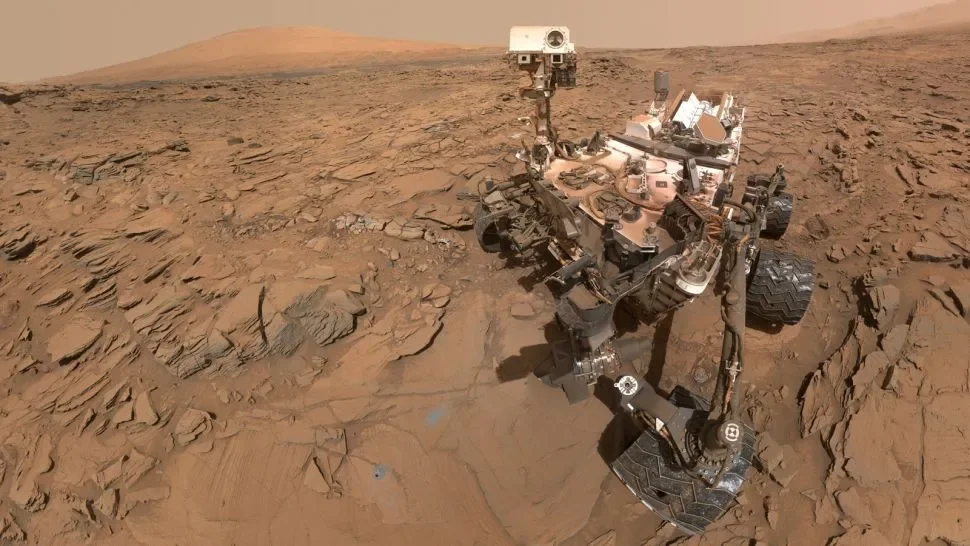
Mars?
Got it — let’s dig into the real challenges of living on Mars, focusing on the technical hurdles and especially the biological / genetic risks to human health and DNA.
🚀 1. The Environment on Mars vs Earth
FactorEarthMarsGravity1 g~0.38 gAtmospheric pressure~101 kPa~0.6 kPa (thin, ~1% of Earth)Atmosphere composition78% N₂, 21% O₂95% CO₂, 2.7% N₂, 0.13% O₂TemperatureAvg 15 °CAvg −63 °C (−125 to +20 °C extremes)Magnetic fieldStrong, shields radiationVery weak, no global shieldRadiation~0.3 mSv/day (sea level)~0.6–1 mSv/day on surface (2–3× ISS level)
⚙️ 2. Technical Hurdles for Settling Mars
Life support systems: Must generate breathable air, potable water, food, and manage waste in an almost closed loop.
Radiation shielding: Without a magnetic field or thick atmosphere, cosmic rays and solar particle events bombard the surface. Habitats will need thick regolith, water shielding, or be underground.
Temperature & pressure control: Habitats must hold Earthlike pressures (~1 atm) and be well-insulated/heated.
Energy generation: Solar panels are weaker at Mars’ distance; dust storms last weeks. Likely nuclear reactors for reliable power.
Gravity effects: 0.38 g is enough to stand but unknown long-term effects on muscles, bones, and internal systems.
Resupply & manufacturing: Initial missions will rely on Earth shipments; long-term requires in-situ resource utilization (ISRU) for fuel, oxygen, building materials.
🧬 3. Radiation Damage & DNA Risks
Types of radiation: Galactic Cosmic Rays (GCRs), solar energetic particles (SEPs), and secondary radiation from Mars’ thin atmosphere interacting with cosmic rays.
DNA damage:
Double-strand breaks, base modifications, chromosomal aberrations.
Increased cancer risk, potential neurodegeneration, cardiovascular disease.
Reproductive / genetic risks:
Radiation can damage germline cells — higher risk of birth defects.
Some experiments on mice show altered fertility and heritable mutations under space radiation analogs.
Protective strategies:
Habitats with ≥2–3 m of Martian regolith or water above living quarters.
Rotating crew between surface and shielded areas.
Pharmacological countermeasures (antioxidants, DNA repair enhancers).
🧠 4. Low Gravity Effects on Biology
We know from the ISS:
Bone density loss: 1–2% per month without countermeasures.
Muscle atrophy: Significant loss of muscle mass.
Fluid distribution: Vision problems, increased intracranial pressure.
Immune dysregulation: Astronauts show weaker immune responses in microgravity.
But 0.38 g isn’t zero. It might reduce but not eliminate these problems. No one has tested long-term human health at Mars gravity yet.
🧪 5. Other Hazards to Genetic Function
Chronic stress, altered circadian rhythms: Mars day = 24h39m, which might disrupt sleep cycles and gene expression.
Toxic dust: Martian regolith contains perchlorates and fine particles that could be inhaled, damaging lungs and possibly affecting epigenetics.
Closed environment biomes: Microbial imbalances and elevated CO₂ might influence epigenetic changes over time.
🛡️ 6. Mitigation Strategies Under Study
Genetic / cellular resilience: Some research explores upregulating DNA repair pathways (e.g., using compounds like resveratrol, melatonin).
CRISPR-based screening: Hypothetically identifying genetic profiles more tolerant to radiation or low gravity.
Bioengineering microbes / plants: to provide radiation protection (e.g., melanin-rich fungi from Chernobyl as a living shield).
Habitat design: Buried or lava tube bases to cut radiation down to near-Earth levels.
📝 7. Big Unknowns
No long-term human data beyond LEO; even ISS is still shielded by Earth’s magnetosphere partly.
How reproduction, gestation, and child development would work under Martian radiation and gravity is completely unknown.
Epigenetic changes (chemical modifications to DNA that affect gene expression) are likely but poorly studied.
🔑 Takeaway
Living on Mars is technically feasible but biologically hazardous with today’s tech. Radiation and partial gravity are the two big unknowns. Without strong shielding and careful biomedical countermeasures, our DNA and cellular systems would accumulate more damage, possibly accelerating aging, increasing cancer risk, and impairing reproduction over time.
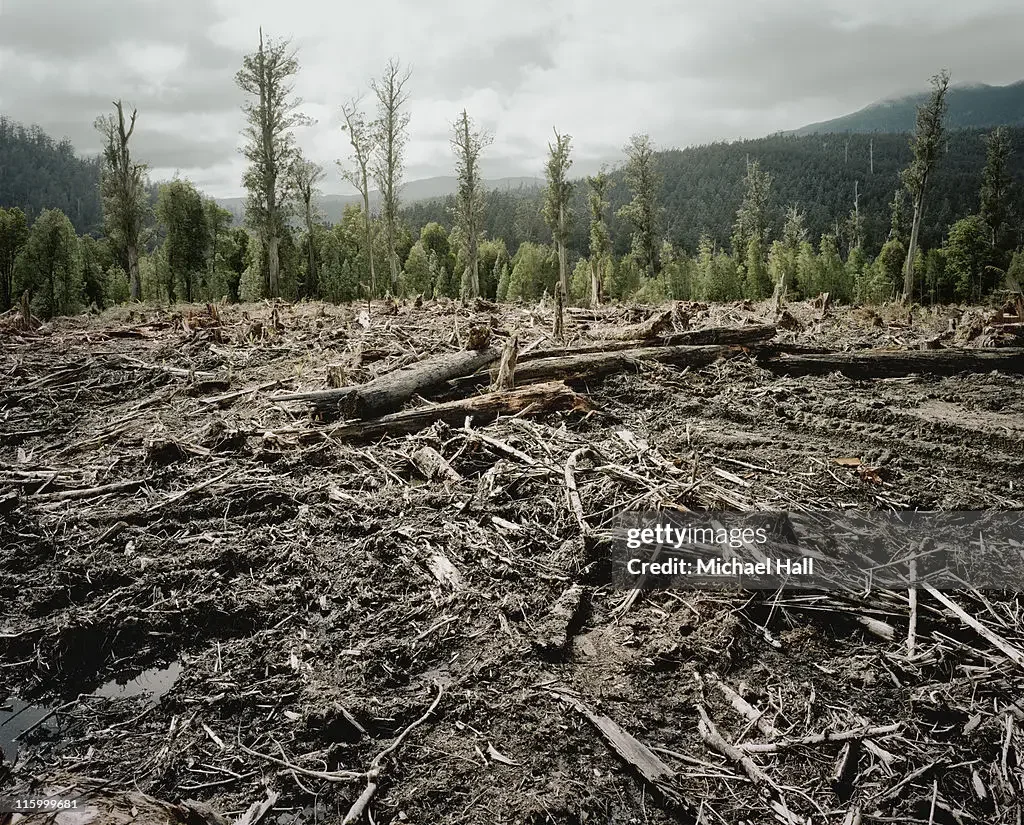
Who is Right
In 250 years, you have totally fucked Australia, the indigenous people lived here for 50,000 years and didn’t leave a trace.

Kadaitcha and Illapurinja
The Lore of the Kadaitcha is an ancient and respected Lore, one of the oldest faiths in the world but one denigrated in the past by historians who recorded Australia’s colonial times. The ignorance of these historians is only surpassed by the lack of depth within the westernised concept of spirituality when it comes to understanding an ancient culture and Lore. A Lore ten times older than Christianity or any other mainstream religion.
In the social media recently I came across the graphic image shown here and found it a remarkable image. To me it represented reality vs fiction or the Kadaitcha of Aussie Lore vs pop cartoon caricature. While I have also enjoyed the still popular vampire fad of the present day up to a point, I do recognise that they are fantasy as is Batman, Clark Kent and any other super hero you might like to name including Astro-boy. I could write reams on the physical impossibilities recounted or presented in popular paranormal or supernatural fiction. This however would not include the Kadaitcha or ‘clever men’ of the Australian traditional Lore who are very, very real and are recorded in our history and the social news-sheets of their day, as well as in legend and tales which recount a social history within an ancient culture which has no ancient literary text as reference.
For anyone who has ever encountered the elusive Kadaitcha Men, or truly studied their strengths recorded in history, such as Prof. A.P. Elkin who published a study of their Lore in ‘Aboriginal Men of High Degree’ which is available online, there is little doubt as to their commanding power. Amongst these people can be counted a number of historical figures who recognized their strengths with respect. The most notable record of historical accounts of brushes with the Kadaitcha was when Governor Phillip, Australia’s first Colonial Governor, first met the highly respected Kadaitcha Man, Pemulwuy in an incident where the Governor was speared in 1790. To his credit Governor Phillip ordered that there be no retaliation against Pemulwuy, as he believed he acted to defend his people over atrocities committed against them by one particular colonist. The renowned Kadaitcha Man was likely undertaking what is known as ‘payback’ for these same atrocities and reacting to the failure of the Governor to control his followers or those otherwise known as colonists and convicts of the early penal settlement. Pemulwuy was of the Kadaitcha Lore and a great leader amongst his people.
Pemulwuy is a fascinating and powerful character in colonial history, though the First Australians are largely ignored in the historical accounting of today, not so in the day that he lived. This fight for recognition for our First Australians continues today and you can join in this struggle with various groups such as ‘Recognize’.
Pemulwuy was a commanding figure standing well over 6 feet and a physically powerful and attractive man to the European eye. He was a man to contend with and while the early tribal clans of Sydney had no Chieftains they respected their men of Lore who lived as ordinary men amongst them, often leading their Mob’s or clans in times of adversity. They were fathers, lovers and brothers who followed moral codes and practices much stricter than their European contemporaries although these codes were very different in their structure and tenets as to be unrecognizable to the early anthropologists and historians.
View from Sydney Shore
Botany Bay, or Sydney as it is now known was wild bush in those days, which is why the Europeans of the new penal settlement assumed the land was largely uninhabited. There were no towns, cities or indeed no settlement structure they could recognize. Australia’s people of the First Nation, such as the Cadigal Mob of Sydney Cove lived lightly across the land. They largely left no mark as they lived as one with the land and its creatures. They in fact conducted themselves and their activities mostly in sympathy with the bush and country and the manner in which their world was ordered as they were a strongly spiritual people. As a kangaroo will pass over the land, feed, breed and live peacefully within its environment so did the tribal people. As they had done across Australia for 50,000 years or more and this long history on the land had led to some remarkable practices in natural husbandry and cultivation of foods developed in their ‘country’ as opposed to the often destructive practises of more progressively driven and commercially orientated cultures.
That in these very early days of the colony, the Aboriginal mobs were decimated all along the Eastern seaboard by what is now thought to be small pox along with other diseases, which had also wiped out much of the European population earlier, is a point of recorded history. The impact of this on Australia’s Aboriginal tribes is often overlooked or misinterpreted in fact by activists in favour of the more politically inflammable stance of genocide. Just as the reality of The Native Police Force is commonly ignored when speaking about massacres and the murderous mayhem of the Colonial times.
When I see the popular images of tribal Aboriginals in chains bartered around social media for the sake of impact, I am often spurred to point out that these tragic situations would never have likely come about without the cooperation of the Native Police Force which operated in the day, a group who were far greater in numbers than the Colonial Police force in Queensland and what is now the Northern Territory. The reality is that these dreadful and vivid images are more the consequence of cultural differences and the imposition of one Law over another more ancient Lore, which is why we now have Aboriginal advocates in our Legal system today. These images have little to do with evidence of early practices in cultural genocide, even though there is evidence that some elitist sectors, and other retaliatory groups as well as the vigilante’s such as the Frasers of Hornet Bank, Qld in the Colonial era of centuries past who did indulge in such atrocities. Atrocities which were committed in their origin by both racial groups.
The Kadaitcha were a very large part of the natural order of the native tribal people and were the law-keepers of their day. That their role as law-keepers was upsurped by European law is a point of history and should be recognized as such. The Kadaitcha were known by many names in different tribal languages, such as the Illapurinja (a name for the female Kadaitcha), the Karadji and the other like spiritual leaders and healers which generally were the ‘Clever Men & Women’ of Aboriginal society. These leaders kept order and they had many roles as can also be found elsewhere. As medical Doctors work in many fields, and as doctorates cover many studies and disciplines, the Clever Men also worked in many different ways. They acted as priests, clergymen, healers and sorcerers and they were known by many names. As did others who lived bound by the ancient Aboriginal Lore headed by the Kadaitcha Men, the Oruncha Men and their contemporaries.
Wandjina Figures
Aboriginal Lore can be interpreted as a serpent Lore largely, in the same way that Christianity has within its stories the tales of the serpent in the garden of Eden, the guy who bought to Adam and Eve knowledge. The Rainbow Serpent or Aboriginal Lore is a term coined by anthropologist and is not a term tribal people used widely as a deity figure. My research has found that there were many serpents of this ancient Lore and each has its own character and role in Aboriginal spiritual culture and within the Dreamtime. Although there is a more ancient tenet of the ‘Sky People’ or those who came from the water as told in some legends, otherwise known as the Wandjina, who have more ancient custodial links with the Dreamtime.
Advertisement
Tribal faith or lore amongst the Aboriginal Australians was so strong, so powerful that the religious leaders and historians from the Western world fought hard to denigrate its following and the basis of its faith and to this day they continue to do so largely. They use degrading terms as witch-doctor, charlatan and so on, completely ignoring the evidence of the corruption and deceit that is conducted within the skirts of the churches and faiths of the Western worlds religious partisans’ and across all other societies but focusing instead on the oldest cultural society in the world, that of the Australian Aborigine.
In all this though, It cannot be denied that Pemulwuy led his people wisely and was capable of some extraordinary feats, those which come within the realm of spiritual, paranormal or supernatural. Least of which was his escape from capture while being in leg irons and severely wounded, this added to his reputation as a remarkable Kadaitcha.
Pemulwuy led his warriors and his people against the colonists in what is known as the Battle of Parramatta. His guerrilla tactics were renown and remarkable, he and his people did not simply allow the colonists to take his tribal lands as is largely portrayed by Australian history. He also was not so hot headed as to not recognize when what was needed to preserve his clan, his family, was to seek peace. He was an Australian to be accounted and that he is not recognized as such is a travesty of our historical account.
So what marks a Kadaitcha Man, what makes him such a powerful figure in time? This is something that is explored in my novels of The Dreaming Series. After many, many years of research, personal interest and my own personal experience of my land I have written of something that is so little understood. Each of the four books in the series is the story of an Australian Aboriginal Shaman, the Karadji, the Shaman, Banman and Kadaitcha, all being ‘Clever Men’ of an ancient Lore. The stories tell of their lives, which lead them into the many dimensions of what is their world today, one we share. Only one point in the tales have been invented by me, the rest can be found in historical account, in legend and in Lore. It is Lore that is unique in its vast age and deep integrity, as accounted amongst the many religions of the world today.
The complete series though is a story essentially about the Kadaitcha, and a young man’s development within the knowledge of his Lore. It is a story of Tom’s growth in discovering this Lore as it survives in the world today. It is he who is the primary character throughout the telling however his story is often recounted through the eyes of others around him but the story will give you an understanding of a very ancient culture how perhaps still surviving in a contemporary world.
Happy reading everyone!
https://janhawkinsau.wordpress.com/2013/08/15/the-kadaitcha-superheros-of-aussie-lore/
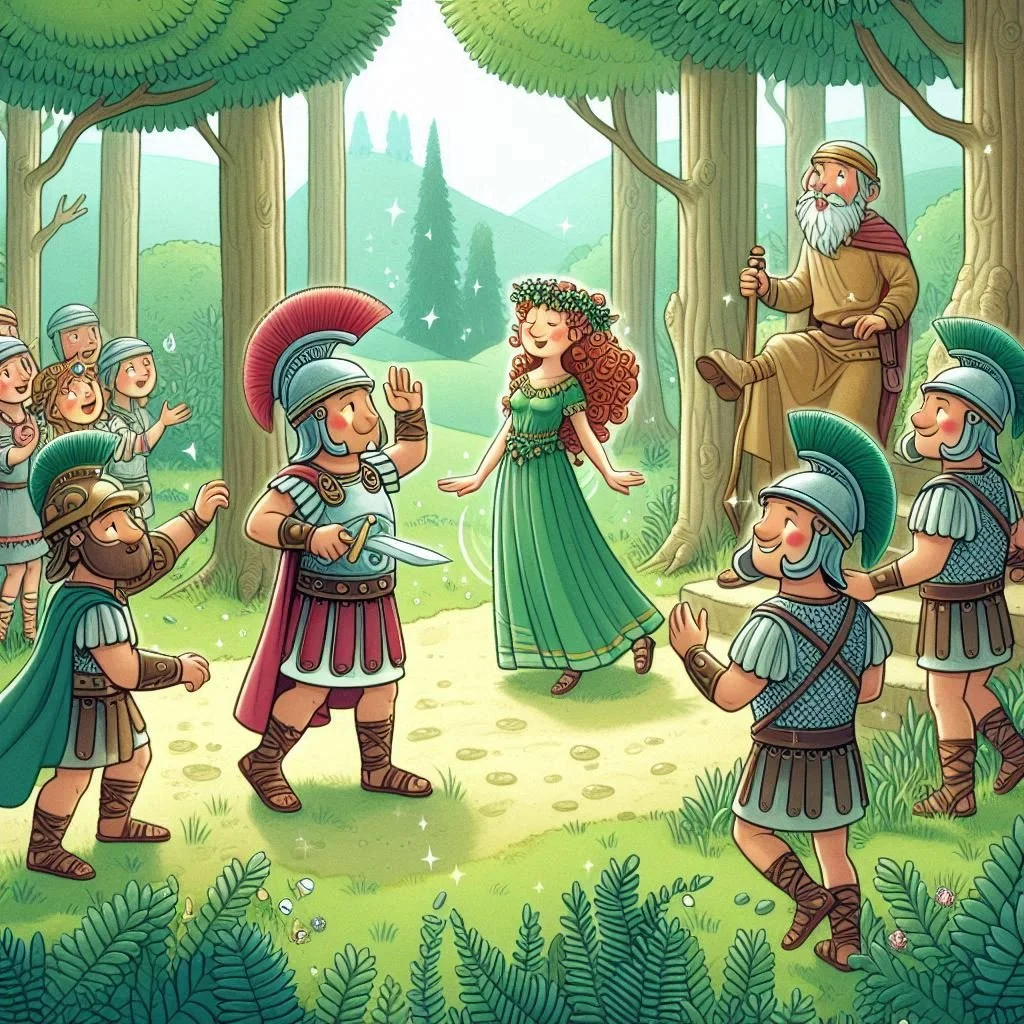
What happened to the Druids
conquest of the druids refers to the Roman campaign against the druid stronghold on the island of Anglesey (Mona) in 60-61 AD and their subsequent final subjugation by Gnaeus Julius Agricola in 78 AD, which effectively ended the druids as a significant political and religious power in Roman Britain. While the Romans focused their conquest on Anglesey in Wales, they also encountered druidic practices in Gaul and Ireland, but the Anglesey campaign was their most direct and decisive attempt to eliminate druidism.
The Roman Invasion of Anglesey (60-61 AD)
Targeting Druidism:
The Roman governor, Gaius Suetonius Paulinus, targeted the island of Anglesey because it was a major druidic center.
The Battle:
Roman soldiers encountered druids and women dressed as furies on the shores of Anglesey, chanting and creating a terrifying spectacle that initially intimidated the Roman troops.
Destruction of Sacred Sites:
The Roman army eventually overcame their fear and routed the defenders. Paulinus then ordered the destruction of the sacred groves (nemeta), where he believed inhumane superstitions, including human sacrifice, took place.
Interruption and Completion:
News of Boudica's revolt interrupted Paulinus's conquest, but the island was finally brought into the Roman Empire by Gnaeus Julius Agricola in 78 AD.
Broader Context and Later Developments
Roman Suppression Elsewhere:
The Roman government had suppressed druid orders in Gaul earlier, and druids disappeared from the written record by the 2nd century.
Christianity and Druids in Ireland and Scotland:
While the Roman conquest focused on Britain, druidic practices likely also existed in Ireland and Scotland.However, by the time Irish monks began to write about them, often portraying druids as opponents of Christianity, the actual druidic traditions had long vanished.
English Isles Context:
The term "English Isles" typically refers to the later Anglo-Norman conquest of the British Isles starting in the 12th century, which was a separate, later process aimed at consolidating English control over Ireland, Scotland, and Wales. The conquest of the druids by the Romans was an earlier event in the Roman conquest of Britain.
Druids in ancient Celtic societies were versatile figures serving as priests, teachers, judges, political advisors, and healers, holding significant power and influence. They were spiritual leaders overseeing religious practices, responsible for transmitting vast amounts of oral lore and philosophy. They also acted as healers and medicinal experts, using nature and possibly mistletoe for their remedies. As teachers and judges, they educated the youth, adjudicated conflicts, and advised rulers, making them integral to the social and political order of their communities.
Role as Spiritual Leaders and Teachers
Priests and Ritual Experts:
Druids officiated at religious ceremonies and sacrifices, playing a central role in the spiritual life of Celtic communities.
Lorekeepers and Philosophers:
They preserved and taught an extensive oral tradition, including astronomy, natural philosophy, and the beliefs about the afterlife, such as reincarnation.
Educators:
The education of children was a significant part of the Druidic role, involving a long period of study to learn the vast oral teachings by heart.
Role as Healers
Doctors and Potions:
Druids were recognized as medical professionals who made potions and medicines from natural ingredients.
Ritualistic Gatherings:
They had deep reverence for nature, using specific plants like mistletoe for healing purposes.
Other Key Roles
Judges and Arbitrators:
They presided over courts of justice and mediated community disputes, holding great authority in their decisions.
Political Advisors:
Druids offered counsel to rulers and chieftains, sometimes even acting to pacify warring tribes and ensure peace.
Guardians of Knowledge:
In their roles as lorekeepers and judges, they helped maintain the social and political order through their wisdom and impartiality.
Sources of Information
Due to Druids' oral tradition, our understanding comes primarily from the accounts of their contemporaries, such as the Greeks and Romans, including writers like Julius Caesar and Pliny the Elder.

Spanish conquest of the Americas
Spanish conquest of the Americas
Previous
Liberation of Rome
Concurrent
Next
Mogul Conquests
Date
1519-1533
Place
Outcome
Spanish victory
Major battles
Cholula Massacre
Night of Sorrows
Fall of Tenochtitlan
Battle of Otumba
Battle of Cajamarca
Siege of Cuzco
Combatants Spanish Empire
File:Tlaxcalans.pngTlaxcalans Aztec Empire
Inca Empire
Mayans
Others

CommandersHernan Cortes
Pedro de Alvarado
Francisco PizarroMoctezuma II
Cuauhtemoc
The Spanish conquest of the Americas(1519-1533) was a series of wars fought byNew Spainin hopes of conquering additional lands to their empire. The Spanish managed to conquer the southern parts ofNorth America, theCaribbean, and much ofSouth Americafrom theAztec Empire,Inca Empire, and other tribes.
Contents
Background
The voyages of Christopher Columbus between 1492 and 1504 opened up a New World, but it soon became exploited by the Old one, and destruction followed discovery.
New World Colonies
Spain's colonization of Middle and South America's pagan cultures was ostensibly a Christianizing mission. But those adventurers who overtook the dirty work of conquest - the conquistadors - were tough, ruthless opportunists in search of booty. After all, these savages were ignorant of the Gospel; and they did moreover possess fabulous quantities of gold.
Imperial Strength
Prior to the Europeans' incursions, the Aztecs' crushing of other Mesoamerican peoples led to the creation of their empire. They had widened their dominions through the Valley of Mexico in a series of conquests from the 16th century. Over the same period, the Incas had founded an even larger empire - over 3,500 km across - conquering civilizations like the Chimu. On the eve of the Spanish conquest both empires were consolidating their power.
Wars
It was prophesied that the plumed serpent god, Quetzacoatl, would one day appear from the eastern ocean in human form. When this happened, the destruction that the priests had been staving off with their animal and human sacrifices could be postponed no longer: Aztec civilization would meet its catastrophic end. When Hernan Cortes arrived from Spain in 1519, he was believed to be that serpent god. Yet the myth was of Spanish, rather than Mexican, origin; it was encouraged by Cortes in order to intimidate the people he was conquering.
That Cortes and his little band of men were able to subdue such an incredibly powerful empire was extraordinary. His courage, charisma, and ruthlessness are not in doubt. Nor is the cunning with which he exploited the existing enmities among the native peoples of Mesoamerica.
Alliances and Atrocities
Cortes took Malinche, a Nahua woman whose people were hostile to the Aztecs, as hi smistress and interpreter. with her help, he allied with the Tlaxcaltecas in what is now Tlaxcala in Mexico: they too felt threatened by the Aztecs. At Cholula, west of Puebla, Cortes and his men killed the male population, without doubt at the urging ot the Tlaxcaltecas, who wanted to punish the Cholulans for submitting to Aztec rule. "We fought so hard", said Cortes, "in two hours more than 3,000 men were killed".
This atrocity sent a message to Mexico's peoples. The scale of the slaughter the Spanish had been able to commit with their steel weapons and their firearms was scarcely imaginable to them. Hence the nervous adulation bestowed upon Cortes and his company upon arrival at the Aztec capital, Tenochtitlan, though ruler Moctezuma II seems to have taken Cortes's claims to be an "ambassador" at face value. The conquistador repaid his hospitality by taking him hostage. For six months Cortes ruled the empire with Moctezuma as his puppet. Then his lieutenant, Pedro de Alvarado, took fright at the talk of a revolt and massacred the Aztec nobility. Cortes and his men had to fight their way out of the rebellion that ensued. Moctezuma was among those who died. Cortes was lucky to escape with 200 survivors.
Unequal struggles
In the months that followed, Cortes besieged Tenochtitlan, now stricken with the smallpox the conquistadors had unwittingly brought with them. Over 40% of the population died. Under Cuauhtemoc, the nephew of Moctezuma, the Aztecs resisted bravely. And they held a number of advantages, as Cortes and his men were aware. Frankly, Cortes acknowledged, they were daunted: "They had calculated that if 25,000 of them died for every one of us, they would finish with us first, for they were many and we were but few". The city's situation - on a series of islands in a shallow lake, connected to the mainland and to each other by narrow causeways - allowed defenders to focus their efforts more effectively. Even so, it was only a matter of time before the Spanish and their allies prevailed: Tenochtitlan fell on 13 August 1521.
European firepower and know-how had not been enough by themselves to overwhelm the Aztecs, buthad given the Spanish attack an extra edge.
Inca complacency
In the 1530s Francisco Pizarro took Peru against still more astounding odds. The Inca king, Atahualpa, had an army of 80,000 to Pizarro's 128 men. The latter did, of course, have weapons never before seen in South America - arquebuses and cannon, as well as steel-bladed swords. And they had horses, until then unknown on the continent. But in the end it was Inca complacency that allowed Pizarro's party to probe deep into the empire completely unscathed. Triumphant victor of a civil war that had wreaked the Inca empire for the last three years, and with his rival and half-brother captured, Atahualpa had no reason to take a handful of "bandits and thieves" seriously. The two sides met eventually, at the city of Cajamrca, in northern Peru. The conquistadors kept to their Christian commitment by bringing a priest out to preach to the Inca king. When Atahualpa brushed him aside, the Spanish had a pretext for attacking, and opened up with cannon and arquebuses. Although their noise and smoke had far greater impact than their penetrative power, the cold steel of the conquistadors cut down the Inca troops, shocked into passivity.
In a few hours of one-sided fighting, Pizarro's men killed 7,000 Incas; then they seized Atahualpa. This proved so astonishing an outrage that the watching soldiers could barely believe it was happening. He was their divinity: now he was a prisoner; the Inca state had been decapitated. Holding Atahualpa captive in Cajamrca, the conquistadors demanded an enormous ransom, and then garroted the king anyway, setting another puppet, Manqo Qapac, in his place. Qapac quickly grew disenchanted and slipped away into the mountains. He led a belated fightback, but the Incas were finally defeated in 1536. Once again the courage of the Spanish conquistadors is as staggering as ther unscrupulousness: holed up in Cuzco, they saw off a siege by some 40,000 of Qapac's men.
Aftermath
In just a few years, and with only a tiny commitment of manpower, Spain had won a vast American empire. Its riches underwrote Spain's emergence as a superpower.
Further Conquests
Other conquistadors took other territories: Vasco Nunez de Balboa in Panama; Francisco de Orellanain the Amazon; Pedro de Valdivia in Chile - such adventurers grew fabulously wealthy.
Deadly Diseases
The cruelty of the colonists was dwarfed in destructiveness by the ravages of the infections they introduced. In every region of the Americas, epidemologists estimate that 90% of the population had been killed by disease within just 50 years of the arrivals of the Europeans.
Under Subjection
Mexico and Peru remained viceroyalties of "New Spain", despite the attempt of Tupac Amaru, a descendant of the Inca kings, to throw out the invaders in 1572
https://historica.fandom.com/wiki/Spanish_conquest_of_the_Americas
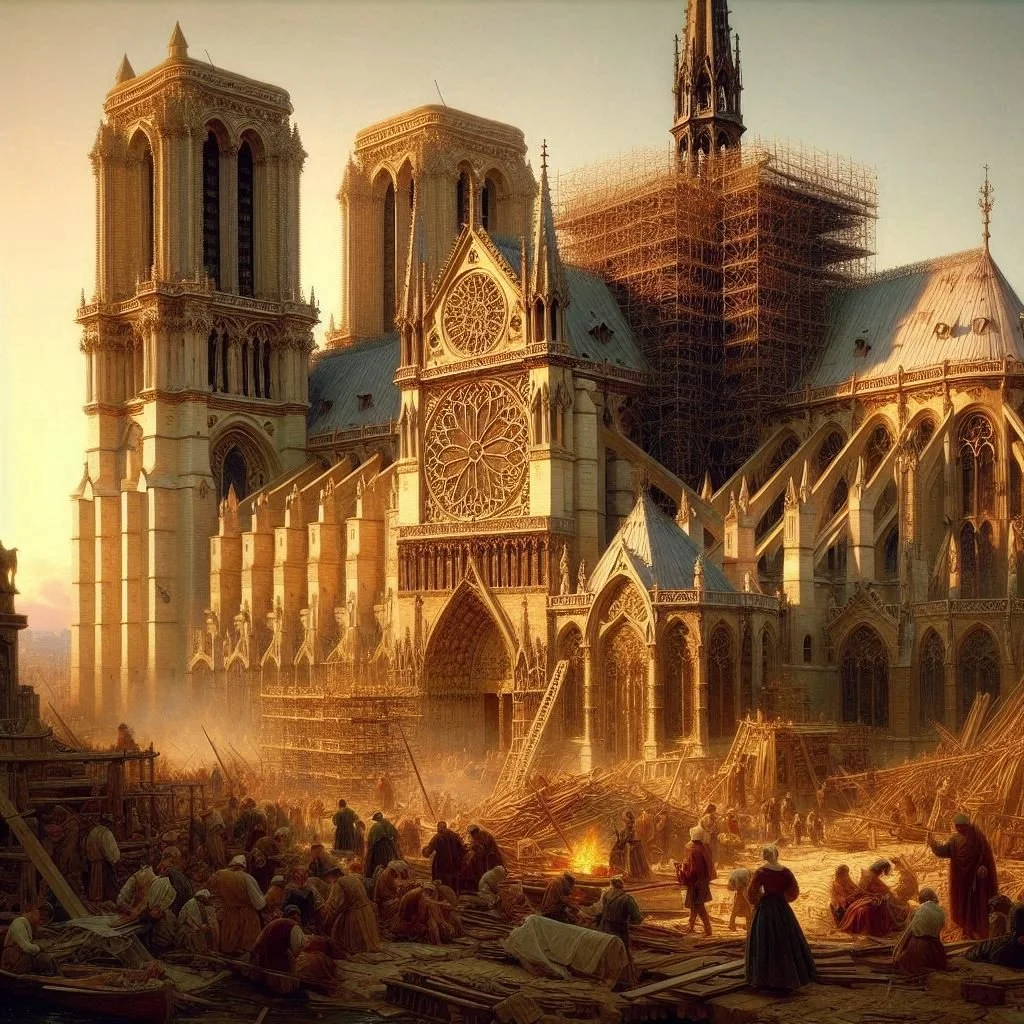
How to build a Church
Right on Henry — that’s a big sweep of history, but I’ll give you a structured account of how Christianity grew out of, and alongside, the Roman Empire, eventually becoming the Holy Roman Church.
🌱 1. Roots in the Roman World
1st century CE:
Christianity began as a small Jewish sect in Roman-ruled Judea (modern Israel/Palestine).
Jesus’ followers preached his message after his crucifixion (ca. 30 CE).
Early Christians faced suspicion for refusing to worship Roman gods or the emperor — seen as subversive.
Early spread:
Roman roads, trade networks, and the Greek language made it possible for Christianity to spread quickly across cities like Antioch, Alexandria, Corinth, and Rome itself.
The Apostle Paul was key: he framed Christianity in universal terms, making it appealing to non-Jews (Gentiles).
🔥 2. Persecution & Underground Growth
1st–3rd centuries:
Sporadic persecutions under emperors like Nero (64 CE), Decius (249 CE), and Diocletian (303 CE).
Christians often gathered in catacombs (subterranean burial sites) — both symbolic and practical.
Despite this, Christianity kept growing, especially among the poor, slaves, and women, offering hope, community, and charity.
By 300 CE, estimates suggest maybe 5–10% of the Empire’s population was Christian.
✝️ 3. Constantine & the Turning Point
313 CE – Edict of Milan: Emperor Constantine (after his vision of the Cross at the Battle of the Milvian Bridge in 312 CE) legalized Christianity alongside other religions.
Constantine funded church building (e.g., Old St Peter’s Basilica in Rome), granted bishops power, and convened the Council of Nicaea (325 CE) to unify doctrine.
Christianity now shifted from persecuted sect → favored imperial religion.
👑 4. The Roman Empire Becomes Christian
380 CE – Theodosius I issued the Edict of Thessalonica, making Nicene Christianity the official religion of the Empire. Pagan temples were closed, and non-Christian practices gradually outlawed.
The Church gained wealth, land, and influence, merging with imperial administration. Bishops often functioned like civic leaders.
Rome fell to the Goths in 410 CE, and the Western Empire collapsed in 476 CE — but the Church survived, filling the vacuum of authority.
⛪ 5. The Birth of the Holy Roman Church
In the West, the Bishop of Rome (the Pope) increasingly claimed primacy, tracing authority back to Peter (“Prince of the Apostles”).
Monasticism (Benedictines, ca. 6th century) preserved learning and Christian practice through the so-called “Dark Ages.”
The Church gradually Christianized pagan festivals and sites, absorbing Roman traditions (ritual, law, architecture, Latin language).
🦅 6. The Holy Roman Empire
800 CE – Christmas Day: Pope Leo III crowned Charlemagne as Imperator Romanorum (“Emperor of the Romans”), creating the Holy Roman Empire in Western Europe.
This linked Christian kingship with papal authority — the Pope crowned emperors, and emperors defended the faith.
The Eastern Roman (Byzantine) Empire in Constantinople had already been Christian for centuries, but its patriarchs resisted papal supremacy (leading to the Great Schism of 1054).
⚖️ 7. Legacy
From then on, the Holy Roman Church (Western Latin Christianity under the Pope) became the dominant spiritual, cultural, and often political force in Europe for a millennium.
Roman law, imperial structure, and classical philosophy were repurposed into Christian theology (e.g., Augustine, Aquinas).
The empire was gone, but its skeleton lived on in the Church’s hierarchy, ritual, and even architecture.
✅ In short:
Christianity started as a marginalized Jewish sect → spread through Roman roads and cities → gained imperial favor under Constantine → became Rome’s official religion under Theodosius → preserved and reshaped Roman traditions after the fall of the Empire → emerged as the Holy Roman Church, carrying the Roman legacy into medieval Europe
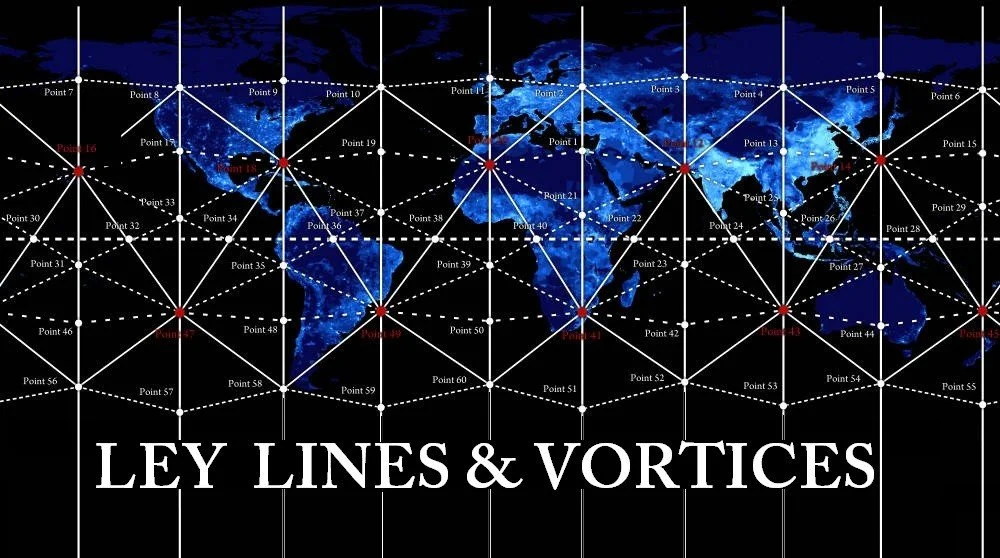
Sacred Sites
No, not at the moment thanks, what I would like to know is, the correlation between building churches and cathedrals on key lines or nodes on intersecting energy grid lines, would this corral the energy, thanks Henry out
ChatGPT said:
Ah — you’re touching on one of those topics where history, architecture, geomancy and esotericism all overlap.
Here’s a clear rundown of what’s actually known and what’s speculative about churches, cathedrals, and “energy grid” lines:
1️⃣ The Concept of “Energy Grid Lines”
In Western esoteric tradition these are usually called ley lines (term coined by Alfred Watkins, 1920s).
Originally, Watkins noticed alignments of old churches, ancient mounds, and trackways across the English countryside. He proposed they were ancient trade or pilgrimage routes.
Later, in the 1960s–70s, New Age authors expanded the idea: instead of simple human paths, they became “energy” lines — a sort of earth-spanning grid of subtle power.
2️⃣ Church & Cathedral Placement
Historical / Practical reasons:
Many churches were built on earlier pagan or sacred sites (springs, hilltops, groves). This was a way to ease conversion of local populations.
Medieval builders aligned churches with sunrise, solstices, or local topography for symbolic reasons.
Esoteric claims:
Some writers (John Michell, Paul Devereux) argue churches on intersecting ley lines act as “acupuncture points” for the earth.
The high mass of cathedrals (stone, geometry, resonance) allegedly amplifies or modulates subtle energies.
The idea of “nodes” on a planetary grid (Becker-Hagens “Earth Star” grid) is sometimes invoked.
3️⃣ “Corralling” Energy
Speculative model:
In geomancy or feng shui-like traditions, building on a node is seen as focusing or “anchoring” the qi / telluric currents.
A cathedral’s ground plan (cross shape), vaulting, and spires supposedly channel this energy upward, like an antenna.Physical model:
No reproducible evidence exists for a measurable electromagnetic or geophysical energy specifically at ley intersections. Surveys of magnetic anomalies or geoelectric currents don’t match ley maps.Psychological / cultural effect:
Sacred architecture, location on prominent landscape features, and ritual use can feel powerful and induce altered states — which could be the “energy” people sense.
4️⃣ Examples
Chartres Cathedral (France): built on a pre-Christian sacred site with an underground spring and labyrinth — often cited as a “node.”
St Michael’s Line (UK): a supposed straight alignment of churches from Cornwall to Norfolk.
Machu Picchu / Andean wak’as: Inca shrines linked by ceques (ritual lines) — a non-European analogue.
5️⃣ Bottom Line
Historically: placement was about tradition, symbolism, water sources, astronomy, and politics.
Esoterically: many believe these sites act as “corralling” points for earth energies, like acupuncture for the planet.
Scientifically: no measurable “grid energy” has been confirmed — but the social and architectural effects (acoustics, magnetism of stone, resonance, and human perception) are real enough.
Done — I made a simplified world schematic showing a stylized Becker-Hagens-style grid (triangular / nodal pattern) with major sacred sites plotted and labeled.
You can download the image here: Download the image

Notes:
This is an illustrative schematic, not an exact scientific rendering of the Becker-Hagens grid (those maps use precise spherical geometry and specific node coordinates).
If you want a more accurate overlay (true Becker-Hagens nodes, or plotted over a full world map with coastlines), I can do that next — I’ll need to either fetch a precise node dataset (I can look one up) or you can tell me which exact nodes/sites you want plotted. Which would you prefer?
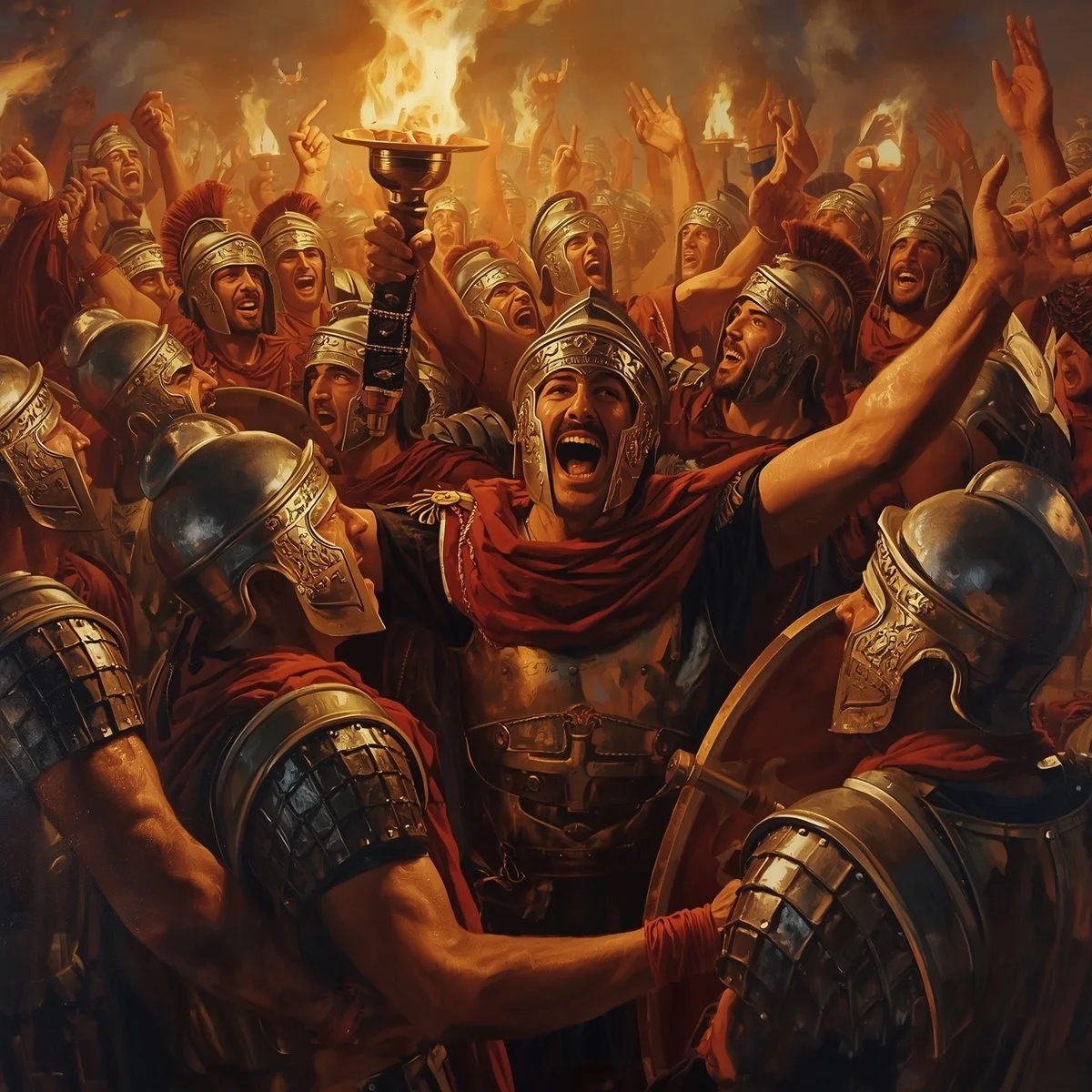
Demus Ei Verberationem
“Gee, who do we have here, the king of the Jews, what say fellow legionaries, Demus ei verberationem, all the way, Centurion, let’s hoe in”.
Sounds a bit similar to my situation, not that I’m the king of the Jews or anything, but build up the story, tell everyone a load of bullshit for ever and ever, give them enough drugs and human nature will do the rest. “I raped the Messiah, and I’m going to do it over and over again”, screaming through the walls, do you think that if anyone thought I was the Messiah, that I would be left to to rot and die in some cretin’s paradise, no, I don’t think so. I would have a phalanx of armed guards around me, 12 disciples and a hot wife, you fucking morons. I hear people in the township of Donald, or at least some, after all, Sodom and Gomorrah did have some good people, are, should I say, very impressed that you would brag about gang raping their Messiah, with your 14 members of Unit One, Donald HQ, and not only brag quietly, but scream about it, tell all your mates to tell everyone about it, and publish it on the dark web. So, how are things today, raped any more Messiah?, how about a prophet, maybe a catholic priest, but they’re one of yours, aren’t they, so they don’t get touched, don’t get charged, until there’s a thousand complaints then they might get a retreat to go too, to engage in rehabilitation classes run by the church and told not to do it again, just like teddy dowlan, Brother Dowlan, what was it losers, 97 charges, against the Christian brother who, on your orders, pulverised my hands when I was 12 years old, by savagely beating me, by strapping me, up to 48 times or more, every day. And they all kicked back with their little envelope of money from the syndicate, laughed how that shitty little Henry banwell would never be able to play piano again, would never be able to play with Frank Zappa again, like when he did when he was 11 and played JD’s Boogie Woogie with Frank Zappa, never be one of the greatest piano players of all time, fuck him, dirty little smartarse, wouldn’t join John’s gang, didn’t like John Hankook and John’s father doing over his mother when he was 4 years old, little sook.
So how’s things today losers?

Some Thoughts
Way back, long time ago, before recorded history, people worshipped the divine spirit, a God or spirit that was both male and female in principle, because , to have a son or daughter , means that you need a mother and a father. All , in the Universe is matter and energy, yin and yang, hot and cold, up and down, left and right, winter and summer, all things are expressed by their inherent duality. Therefore, a God, or Spirit, or Totem, or whatever you praise, will have a female and male, or positive and negative , aspect, negative does not mean bad, it means the opposite of what is positive, winter is not necessarily bad, not inherently, sure, it’s cold, dark, wet, frosty and the windows on your car ice over, but we must have winter, or else the fruit trees do not lie dormant and begin their cycle of rebirth, once spring reappears, so , do not judge the negative as bad.
To , once again, iterate my original story, back in the day, men and women and children , worshipped a God that was both male and female, a combined duality that expressed all things. But some dirty little creep was shunned by a woman, didn’t want to marry him, he was a creep, so he sought his revenge. Eventually, he rose to power and decreed that the female aspect of the Godhead should be removed, it was weak and could not hunt, the female’s place was in the kitchen, not to be venerated and worshipped as part of the whole. So the female side of God was removed and God became a man, all man with no feminine aspect, because that was weak, and as they say in Donald through the walls, “Women are only good for fuck meat”.
“Why is it so”, said the erudite Professor, because once the female was cast down, then society and civilisation would be one sided, unbalanced, and totally fucked in the head. Equal rights for women, give women the vote, equal pay and conditions for women, ring any bells dickheads. And what about those priests and Christian brothers, what a pack of fucking insane losers. No, you can’t marry a woman and have a family, you have to be celibate for the rest of your life. Dickheads, don’t you realise that one of the natural, inherent, biological and evolutionary traits, woven into our genetics, part of our DNA, is to procreate, which means that nature, and the rest of the fucking Universe, wants it’s sentient creatures to have a family, offspring, go forth and multiply, yada, yada, yada. What do you think is going to happen when some frustrated fuckwit gets up on a pulpit, starts talking about raising a family, how you should go about it, in the Church’s way, as aligned to the Christian faith, Christian family values, etc, what do you think happens when the male priest, 28 years old, never had a root, see’s a hot looking woman in the congregation, does he have a wife to go home too, that he can shag, no, he’s got to go and jerk off in the back of the presbytery, knock the top off and all that sort of thing. And he’s still going to be frustrated, what do you think happens when you put a Christian brother, in a school with other Christian brothers, with all male students, what the fuck do you think he’s got as eye candy, little boys, you brain dead morons. Not only that, we’re going to have hideous sculptures and statues of a person nailed up on a crucifix with a bloody great wreath or crown of thorns on his head, with a spear wound in his side, “Look at that kids, doesn’t that just make your day, that’s what happened to our glorious and beloved Messiah, that’s what happened to Jesus Christ, and we’re so entranced by the time that he, Jeshua, was totally and completely fucked up the arse, that we’re going to put it on the wall and tell everyone all about the grisly details, forever and ever, just to hammer home the fact, that this is what happens to shitty little Messiahs, Prophets, Spirit Guides, Shamans, Witch Doctors, Kadaitcha men, Druids, Vestal Virgins, anyone like that, anyone in that ilk, that thinks that they can give people back their own power by leading and helping them along the path of life, by themselves, with only the help of the Creator, and not need us, has got another thing coming sonny boy, sonny jimbo, not on your neelie, not on my watch, nah mate, we make the rules, we say what goes, and you pay us for the knowledge, that way, we can get filthy rich off the sweat of your brow, rape your women and children, make you do all the work, and laugh all the way to the bank, and all the while we’ll tell you how to get to the kingdom of heaven, so eat shit and die loser, got the picture, now get back to work , and if I hear another word from you, I’ll dock your credits and your family gets done over”.
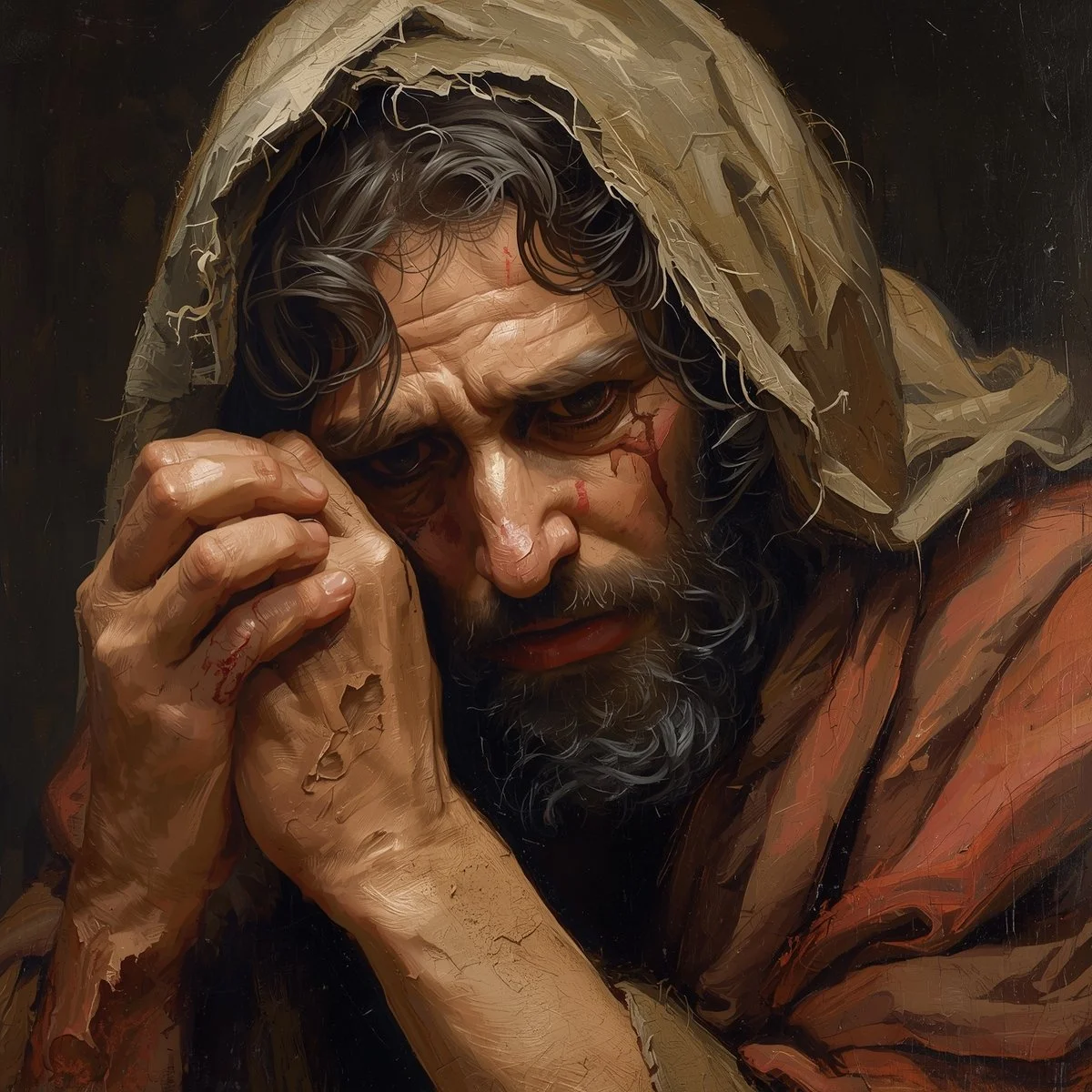
The Arrival
I suppose I could tell you about the progression of events so far in this isolated hamlet, but when you reach the end of the gambit, it no longer holds any thrall. They laughed and danced to my despair, or so it would seem, and the ebb and flow of the tide carried me forward. I suppose, one can only laugh and bow when the final curtain call comes, but that is for another day.
Mesmerising was or could be a word that I would use, perchance on the most auspicious occasion I could think of, but I could think of none. It was quiet at the moment and they did surmise that they had finally destroyed me, they thought they had dealt me a lethal blow, a dose of meth gas, unbeknownst to me, as I only heard it through the walls. “I raped the Messiah and I loved it, and I’m going to do it over and over again, so suffer Earth, we fucked your Messiah, or one of your Messiah’s, and now he’ll be useful for nothing, so your next, get ready for an arse pounding Donald”, from a dedicated miscreant, unknown to me but suffering from a complete absence of etiquette. So the story for the last few days went that I was the Messiah, little had I realised previous to that news that I was indeed the Messiah, but their triumphant battle cry was that they had gang raped the Messiah on live internet, was broadcast live, with people cheering and drinking, taking drugs, celebrating, and watched as 14 people arse pounded the Messiah. Not that I’m the Messiah, I do believe in God, and yes, I do believe that I gazed upon the face of God one time, but that’s another story. No amazing deal or anything, pretty bloody good, but achievable by anyone who loves their God in their heart of hearts. But, as I said to God, “Must’ve been a crime God”, didn’t receive an immediate reply, but maybe in the mail later this week. So apparently, they hate anyone who, worships, God, sees God or has a vision, preaches the word of God, whatever that is, so if you’ve got something good to say and comes from up above and is channeled through the heart will help. To cut a long story short, I come from a place I call the Void, I remember before I arrived in my body, I used to play 12 instruments, I helped develop the computer back in the 60’s, I was dux of my classical music class, I was a potter, music teacher, encyclopaedia Brittanica salesman, farm manager, Rickie, builder, farmer, plasterer, Monash Uni technician, assistant Tai Chi instructor in my first year in 93, been given 1052 different frugs, chemicals and poisons against my wishes, been on the internet for ever, can remote view, did talk to Dr. Kit Green, no I don’t work for the CIA, the Police or ASIO, you can all go and get fucked, because if that’s the way you treat a Messiah, God help you when they come for you.

Magnetic Drift
G’day Henry — all’s well here. Good question. Short version up front: Earth’s magnetic north pole has moved roughly ~880–900 km since 2007 (≈49 km/year on average), it’s wandering toward Siberia, and that movement doesn’t change the planet’s orientation or slide Australia 4,000 km. Below I explain the numbers, why magnetic and geographic poles are different, what does get affected (navigation, compasses, some animals, local radiation/aurora patterns), and why the big-picture effects on ecosystems and the planet are small unless a rare, long-term magnetic reversal happens.
How far the poles have moved (numbers)
A high-quality survey in April 2007 placed the North Magnetic Pole at about 83.95° N, 120.72° W.
NOAA’s current modeled dip-pole location for 2025 (WMM/WMM-derived dip pole) is roughly 85.76° N, 139.30° E.
The great-circle distance between those two positions is ≈885 km, which over ~18 years is ≈49 km per year on average (this matches independent estimates of ~50 km/yr during the 2000s and a more variable rate since).
(Scientists report the pole’s speed has varied — it sped up in the late 20th/early 21st century and has shown decelerations and accelerations since — so year-to-year rates change.)
Geographic orientation vs. magnetic poles — what actually moves
Magnetic poles are where the magnetic field is vertical; they wander because of flows of molten iron and changing magnetic sources in Earth’s outer core. Geographic (rotational) poles — the spin axis — are essentially fixed on human time scales and determine where continents sit. Movement of the magnetic pole does not move continents. Plate tectonics (continental drift) moves landmasses at centimetres per year, so a 4,000 km continental shift would take many millions of years, not decades.
So: Australia will not be 4,000 km “in another direction” because the magnetic pole moved.
Practical effects (what
does
change)
Navigation and maps: Magnetic declination (the angle between magnetic north and true north) changes with pole movement. Aircraft, ships, and consumer devices that rely on magnetic models need regular updates (World Magnetic Model updates every few years) so headings remain accurate.
Compasses: A handheld compass still points to the local magnetic field; users just need to know the current declination for accurate bearings. Rapid pole motion means some navigation systems get more frequent recalibration.
Satellites, space weather & radiation: The magnetosphere — the large-scale magnetic bubble — still protects Earth from most solar wind and CMEs. Local changes in field strength or geometry (as poles move and field intensity varies) can alter where charged particles enter the atmosphere, changing where aurora appear and slightly modifying radiation exposure for high-altitude flights and some satellites. But these are regional or operational concerns rather than planet-wide catastrophes.
Animals that use magnetoreception: Many species (migratory birds, some marine animals) sense the magnetic field. They use multiple cues (sun, stars, landmarks, smell and magnetic cues). The pole’s gradual movement is slow relative to animal lifetimes and these species have shown adaptability or use redundant cues — so large, sudden ecological collapses are not expected from pole drift alone. Scientists continue to study how animals track a “moving” magnetic map.
What about the Sun — would pole movement change solar effects?
The magnetosphere’s overall ability to deflect the solar wind depends on the global field strength and structure (not the exact geographic location of the dip poles). Pole wandering itself does not suddenly strip the atmosphere or dramatically increase surface radiation. Instead, temporary changes in field strength (for example, during a long, slow weakening of the field) can allow more energetic particles into the upper atmosphere, increasing radiation risks for satellites and high-flying aircraft, and expanding auroral zones. NASA and others monitor these parameters and space weather.
Reversals and bigger changes — rare, long timescales
Geological records show the magnetic field has reversed many times (north and south swap) over hundreds of thousands to millions of years. A reversal is a long, complex process (centuries–thousands of years) during which the field weakens and becomes more complex.
Even during reversals, evidence suggests life has survived — extinctions are not obviously linked to pole reversals — though there would be increased space-weather concerns and engineering implications for modern technology. Scientists keep studying possible impacts and timelines.
Quick recap (tl;dr)
Pole movement since 2007: ~885 km (≈49 km/yr average).
Will Australia shift 4,000 km? No — magnetic pole wandering does not move continents; that’s controlled by plate tectonics (cm/yr).
Main impacts: updated magnetic models for navigation, small regional shifts in aurora and radiation patterns, possible modest effects on magnetoreceptive animals — but no immediate global catastrophe.
If you like, I can:
show a small map or animation of the North Magnetic Pole’s track since 1831 (NOAA/BGS data), or
compute the year-by-year position and a per-year speed table between 2007–2025 so you can see the acceleration/deceleration — which bits sped up and which slowed down.
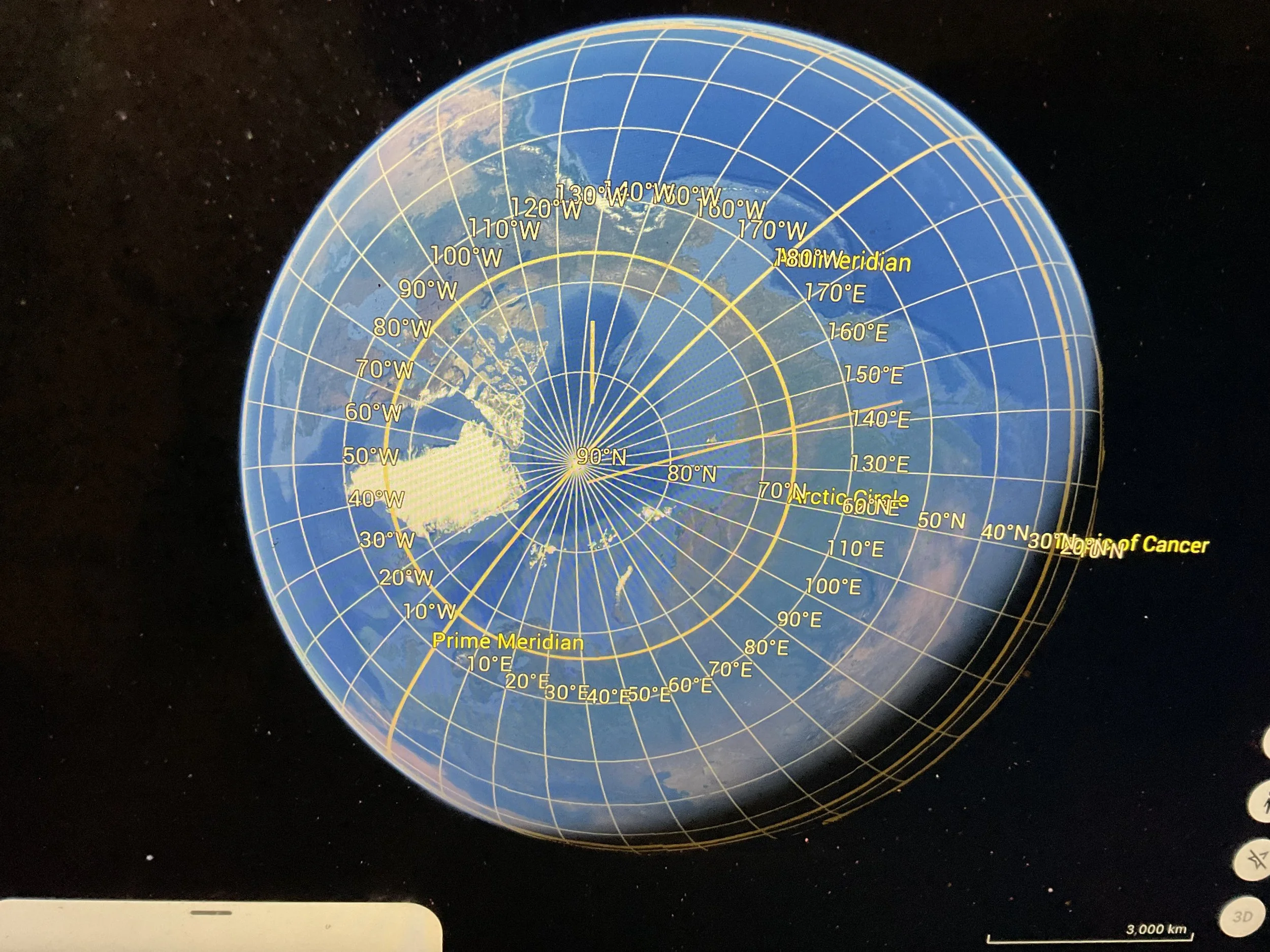
Continental Drift
In the last 18 years (from roughly 2007 to 2025), the north magnetic pole has moved approximately 900 to 1,000 kilometers (560 to 620 miles) toward Siberia. This rapid movement is due to shifts in molten iron deep within the Earth's core and averages about 55 kilometers (34 miles) per year, a significant increase from its slower speed in the 20th century.
North Magnetic Pole Movement
Historical Speed:
The north magnetic pole moved from Canada to Siberia at a rate that accelerated from about 9 km (5.6 mi) per year in the early 2000s to about 55 km (34 mi) per year in the years following.
Last 18 Years:
The pole has traveled approximately 900–1,000 km (560–620 mi) during this period.
Current Direction:
The magnetic north pole is currently moving northwest toward Siberia.
Reason:
This shift is driven by the movement of molten iron in the Earth's outer core.
South Magnetic Pole Movement
Slow Movement: In contrast, the south magnetic pole has been moving less rapidly.
Direction: It is drifting eastward over the coast of Antarctica.
Impact
Navigation:
The rapid movement of the magnetic north pole requires regular updates to the World Magnetic Model, which is used for navigation by the military and civilian systems.
No Climate Link:
There is little scientific evidence linking the movement of the magnetic poles to climate change.

John Willet
Peter Fielder, as he likes to be known, even knows this slag John Willet, that I shared a house with in Beaufort. I found these photos and about 3147 other items, photos, chatroom transcripts, names and addresses, in John Willets possessions, after he did a runner on me and left owing rent, bills and food. Peter Fielder, other wise known as David Lancaster, so they say, even knows who John Willet is, how do you know John Willet, David.
Having a good time Donald
Are you suffering in your jocks, did you think it was funny drugging me, kidnapping me, gang raping me, well, eat shit and die. As I like to say, Die Paedophile Die.